Pakistan Agrees to IMF Conditions, Plans Additional Taxes Amid Mini-Budget Concerns
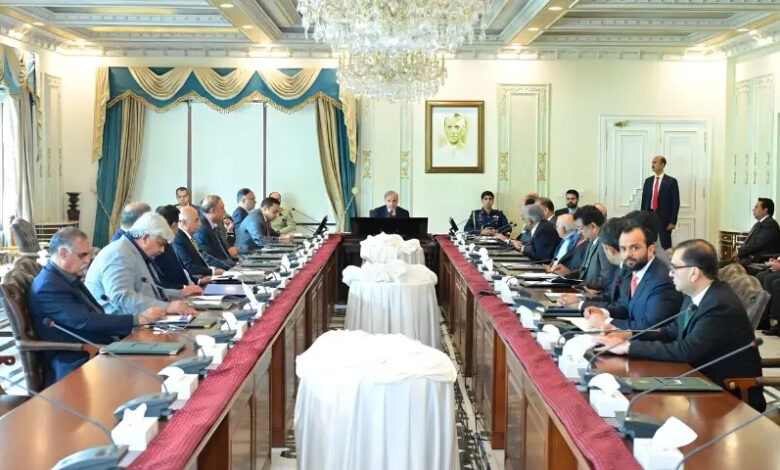
Islamabad: Pakistan has presented a major economic plan to the **International Monetary Fund (IMF)** in light of potential mini-budget challenges, agreeing to implement **additional tax measures** and reduce government expenditures.
According to sources, the federal government has assured the IMF that **sales tax will be imposed on selected items**, including **fertilizers, agricultural medicines, and surgical supplies**. The plan also includes readiness to introduce further tax measures by the end of the month to offset possible revenue shortfalls.


The government’s agreement to these conditions comes shortly after the IMF disbursed **$1.2 billion** under Pakistan’s loan program. The proposed measures to increase revenue include:
* A **5% excise duty increase** on fertilizers and pesticides,
* Introducing **excise duty on high-priced sugary products**,
* Expanding the **sales tax base by bringing selected items under standard rates**,
* Imposing **18% sales tax on specific goods**.
The IMF’s latest report highlights that Pakistan is targeting a **tax-to-GDP ratio of 15%**, though bridging the **$4 billion financing gap** in the current fiscal year remains a major challenge.
Pakistan is also expected to receive **$504 million in budget support from the Asian Development Bank** and **$500 million from the World Bank Group** this fiscal year. Additionally, proceeds of **$250 million from international bond issuance** and approximately **$2 billion in further IMF loan disbursements** are anticipated, which will play a critical role in meeting the country’s overall financial requirements.