Pakistan’s Support for Iran Amid Israel-Iran Conflict Leads to Diplomatic Shift: Gas Pipeline Deal in Limbo
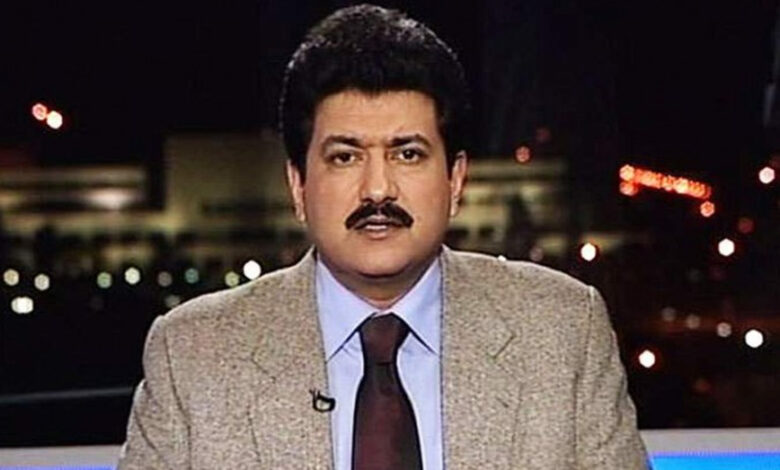
Lahore:In a significant diplomatic move, Pakistan has openly supported Iran in the 12-day Israel-Iran conflict, offering full backing at the diplomatic level. This shift has led to a growing rapprochement between the two countries, which is further exemplified by a recent revelation in a column by senior journalist Hamid Mir.
Mir disclosed that during a recent meeting in Azerbaijan, Iranian President Dr. Masoud Pezeshkian informed Pakistani Prime Minister Shehbaz Sharif that Iran’s Supreme Leader Ayatollah Ali Khamenei had halted further legal action on the Iran-Pakistan gas pipeline project, advising that the issue be resolved through dialogue.

The gas pipeline project has long been a point of contention, with both nations at odds with external influences and internal challenges. Hamid Mir elaborated in his column that Iran, Russia, and Qatar possess the largest natural gas reserves globally, while Venezuela, Saudi Arabia, and Canada hold the most significant oil reserves. Despite being in close proximity to Iran, Pakistan has faced a severe shortage of gas and oil for decades, hindering its economic growth.
The Iran-Pakistan gas pipeline, first proposed by Benazir Bhutto in 1995, has faced delays due to various political and geopolitical challenges. The project was revived under President Asif Ali Zardari in 2008, but it came under pressure from the United States and Saudi Arabia, which were opposed to closer ties between Pakistan and Iran.
Despite various political administrations in Pakistan being urged to abandon the gas pipeline project, they have refrained from scrapping the deal due to the potential benefits it could bring to the Pakistani people. The pipeline, which was initially agreed upon in 1995 and began construction in 2009, had a target completion date of 2024. However, political and diplomatic tensions, including U.S. sanctions, delayed the project.
In 2023, following a breakthrough in Iran-Saudi relations brokered by China, Prime Minister Shehbaz Sharif signed a deal with Iran to purchase cheap electricity. This was expected to pave the way for the completion of the gas pipeline project. However, the U.S. promptly warned that buying gas from Iran would lead to economic sanctions against Pakistan. As a result, the project was once again delayed.
In March 2024, as the deadline for completing the pipeline approached, Iran issued a legal notice to Pakistan, citing the stalled project. If Pakistan does not complete its portion of the pipeline by the deadline, it will face significant financial penalties, with estimates suggesting a fine of up to \$18 billion. The news caused a stir in international media, and Pakistan braced itself for legal proceedings in a French court. However, unexpectedly, Israel launched an attack on Iran, leading to a surge of diplomatic support for Iran from both Pakistan and Saudi Arabia.
In the midst of this heightened geopolitical tension, Iran’s Supreme Leader Ayatollah Ali Khamenei instructed that no further legal action be pursued against Pakistan regarding the gas pipeline project, and the issue should be resolved through talks. This decision marks a significant shift in relations between the two countries, which have been historically strained.
Prime Minister Shehbaz Sharif responded swiftly by forming a committee, led by Deputy Prime Minister Ishaq Dar, to resolve the issue as quickly as possible. The question now remains: if dialogue does not resolve the matter, will the dispute go back to the French court? And if Pakistan loses the case, how will it manage the \$18 billion fine? Moreover, will the United States be held accountable for this financial burden?
The Pakistani government faces a tough dilemma: continue to raise gas and petrol prices, incurring public backlash, or negotiate favorable energy deals with Iran to provide relief to the people, even at the risk of angering the United States. The government must now decide whether it will prioritize national self-sufficiency and energy security over international pressures or face significant penalties that could further harm Pakistan’s already fragile economy.