Myanmar Earthquake Death Toll Exceeds 10,000 as Aid Efforts Struggle Amid Heavy Rainfall

Myanmar is facing significant challenges in its ongoing relief efforts following a devastating earthquake that struck the country on March 28. The earthquake has led to over 10,000 deaths and injuries, with heavy rainfall further complicating rescue operations and raising concerns about the spread of diseases among survivors.
According to reports, the impact of the earthquake has left people sleeping under the open sky near the rubble of their destroyed homes, with bodies of loved ones still being retrieved. The United Nations’ humanitarian chief, Tom Fletcher, stressed the urgent need for additional tents to shelter displaced individuals, as the current supply is insufficient.


Over 3,500 fatalities have been confirmed, while more than 4,000 people have been injured, and over 200 individuals remain missing. Relief agencies have warned that the combination of unseasonal rains and extreme heat could result in the spread of diseases such as cholera among the affected populations.
International aid has poured in from neighboring countries, including China, India, and other Southeast Asian nations, while the United States has announced a $9 million aid package for the victims.
In addition to the ongoing disaster in Myanmar, Thailand is grappling with the aftermath of its own earthquake, which has claimed 24 lives, with 17 of the victims dying in the collapse of an under-construction building in Bangkok. There are still 77 people missing.
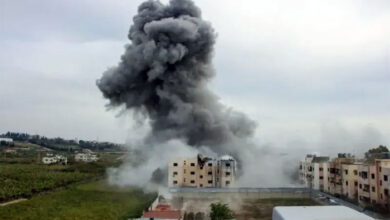
Myanmar’s political situation adds to the complexities of the crisis. Since the military coup in 2021, the country has been embroiled in a civil war that has displaced more than 3 million people. The United Nations has noted that one-third of Myanmar’s population requires humanitarian aid. Despite a recent ceasefire agreement, reports indicate that the military continues to launch airstrikes in the Karen and Shan states, killing at least five individuals.
As the disaster unfolds, humanitarian organizations continue to call for immediate support to prevent further loss of life and to address the escalating needs of the displaced and injured populations.