Gulf Tensions Escalate as U.S. and Iran Intensify Military Operations
Kuwait City/Manama/Washington:** Rising tensions between the United States and Iran have pushed the Gulf region into a new and increasingly dangerous phase, as military activity intensifies on both sides.
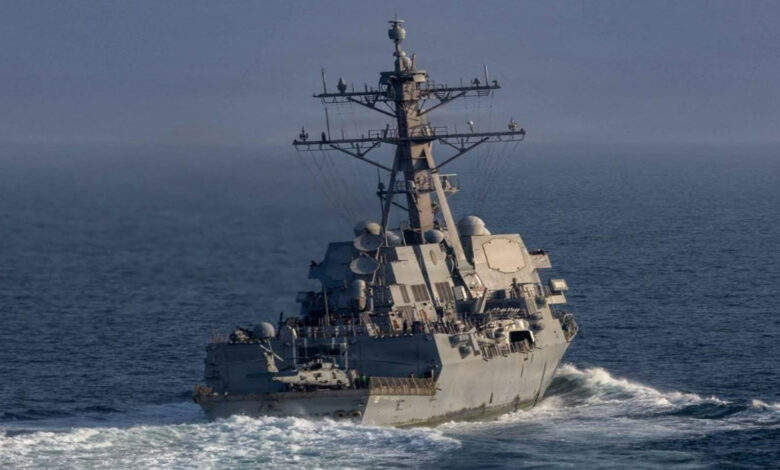
Following the reimposition of a U.S. naval blockade on Iranian ports and a fourth consecutive day of American airstrikes, military operations across the region have expanded significantly.


According to U.S. officials, Washington has effectively ended last month’s temporary ceasefire and Memorandum of Understanding (MoU) with Iran, launching a new wave of military operations targeting Iranian missile sites, drone facilities, and coastal defense installations.
Iran, in turn, responded with missile and drone attacks, raising fresh concerns over maritime security in the Strait of Hormuz and the wider Gulf region.
Kuwait’s Ministry of Defense said its air defense systems successfully intercepted and destroyed multiple Iranian drones and other aerial threats. Officials also reported that a Kuwaiti naval vessel was struck during the attacks, injuring several personnel, although no further details were released.
In neighboring Bahrain, authorities sounded nationwide air raid sirens amid fears of possible aerial threats. Residents were urged to follow official safety instructions and take precautionary measures.
Meanwhile, U.S. President Donald Trump warned that military operations could be expanded further next week if Iran does not return to the negotiating table. He indicated that Iranian power plants and major bridges could become potential targets in future strikes.
Analysts say the renewed military confrontation between the United States and Iran has heightened concerns over international shipping, global energy supplies, and regional stability, particularly in the Strait of Hormuz. The international community continues to monitor the situation closely while calling for renewed diplomatic efforts to prevent further escalation.