Balochistan Traders Reject End of Tax Exemptions in Tribal Districts, Warn of Province-Wide Protests
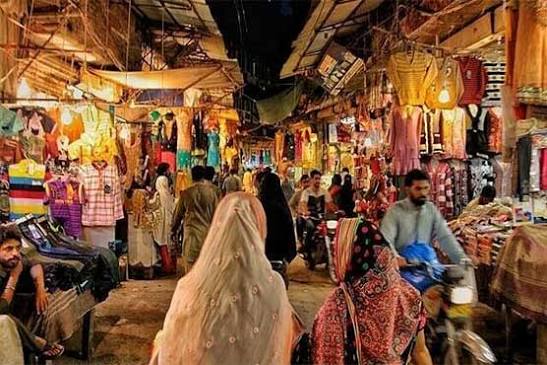
Quetta: The Central Anjuman-e-Tajiran Balochistan (Balochistan Traders Association) has strongly condemned the government’s decision to end the tax-free status of several tribal districts in Zhob and Loralai divisions, describing the move as “economic murder” of traders and local communities.
In a joint statement, association leaders, including President Rahim Kakar and other office-bearers, criticized the imposition of withholding tax on bank withdrawals and other financial transactions in the affected districts.
The traders’ body said the decision would severely impact traders, farmers, transporters, livestock owners, and people associated with the mining sector, arguing that the government has imposed new taxes despite failing to provide adequate security, public services, and economic opportunities in the region.
The statement said tribal districts such as Zhob, Sherani, Qila Saifullah, Muslim Bagh, Sanjavi, Loralai, Duki, Musa Khel, Barkhan, Kohlu, Rakhni, Dera Bugti, Nushki, and Chagai have historically enjoyed tax exemptions because of their special constitutional and administrative status and the lack of basic infrastructure compared with other parts of the country.
According to the association, the taxes were introduced without public consultation or the provision of alternative facilities, making the decision unjust.
The traders also pointed to the deteriorating security situation across Balochistan, claiming that attacks on highways, the burning of cargo trucks, and threats to coal transport and mining operations have caused significant financial losses to businesses and transporters.
The statement further said that agriculture, livestock, and mining form the backbone of the local economy, but prolonged drought, climate change, unseasonal rains, hailstorms, and other natural disasters have already inflicted heavy losses on farmers. It added that insecurity on major highways has prevented growers from transporting their produce to major markets.
The association argued that instead of imposing new taxes, the government should have declared the affected districts disaster- and conflict-hit areas and introduced relief packages and subsidies for traders, farmers, transporters, and the mining sector.
It also highlighted the shortage of healthcare, education, clean drinking water, roads, and other essential public services in the tribal districts, adding that many patients are still referred to hospitals in Quetta or Punjab for routine medical treatment.
The traders’ body further claimed that the government has failed to establish an effective system to help residents join the tax net or become registered taxpayers, making the enforcement of withholding tax and other deductions impractical under current conditions.
Expressing support for ongoing demonstrations in several districts, the association described the protests as legitimate and constitutional efforts to protect the economic rights of local communities.
The Central Anjuman-e-Tajiran Balochistan called on the Prime Minister of Pakistan, the Federal Minister for Finance, the Government of Balochistan, and the Federal Board of Revenue (FBR) to immediately withdraw the newly imposed withholding tax and other taxes, restore the special tax status of the tribal districts, and refrain from introducing additional taxes until security, infrastructure, healthcare, education, and economic conditions in the region improve.
The association warned that if the government ignores the demands of traders and residents, it will consult transporters, farmers’ organizations, and political parties before launching a province-wide protest movement, including shutter-down strikes and other demonstrations.