How Much Salt Is Safe Daily? Excess Intake Can Harm Health, WHO Warns
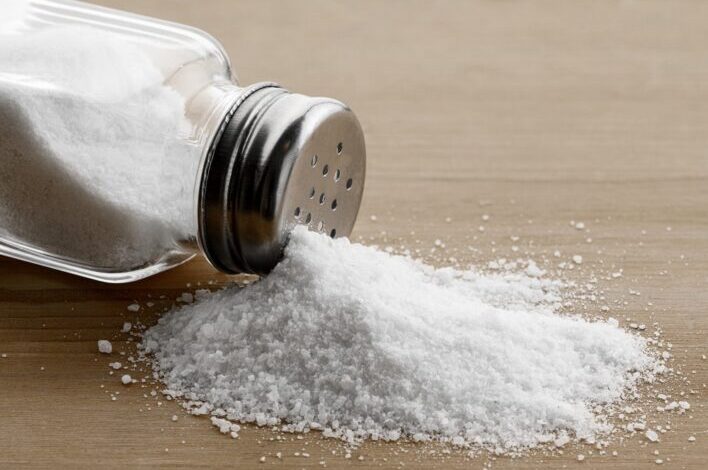
Islamabad (Kudrat News) The World Health Organization (WHO) has warned that excessive salt consumption is responsible for millions of deaths worldwide each year due to its link with high blood pressure and cardiovascular diseases.
According to WHO findings, salt is an essential dietary component, but overconsumption significantly increases the risk of heart disease, stroke, heart attack, and premature death. Globally, nearly 2 million deaths annually are linked to cardiovascular conditions associated with high sodium intake.


Salt, commonly used to enhance food flavor, is composed of about 60 percent chloride and 40 percent sodium. While small amounts of sodium naturally exist in foods, the body requires only limited daily intake for proper functioning.
Health experts note that sodium plays an important role in muscle relaxation, nerve function, and maintaining fluid and mineral balance in the body.
WHO recommends limiting salt intake to no more than 5 grams per day—approximately one teaspoon.
Excessive salt consumption can lead to several short-term health effects, including bloating due to water retention, increased blood pressure, and swelling in the hands, feet, or face. The kidneys struggle to eliminate excess fluid, which contributes to elevated blood pressure levels.
Other symptoms of high salt intake include excessive thirst, frequent urination, temporary weight gain due to fluid buildup, disturbed sleep, fatigue, nausea, and digestive discomfort.
Health specialists also warn that increased sodium levels can cause dehydration at the cellular level, leading to weakness and overall discomfort.
Medical experts advise reducing processed and high-salt foods and maintaining a balanced diet to prevent long-term health complications.