Gwadar University Holds 8th Academic Council Meeting: Key Educational Reforms and New Programs Approved
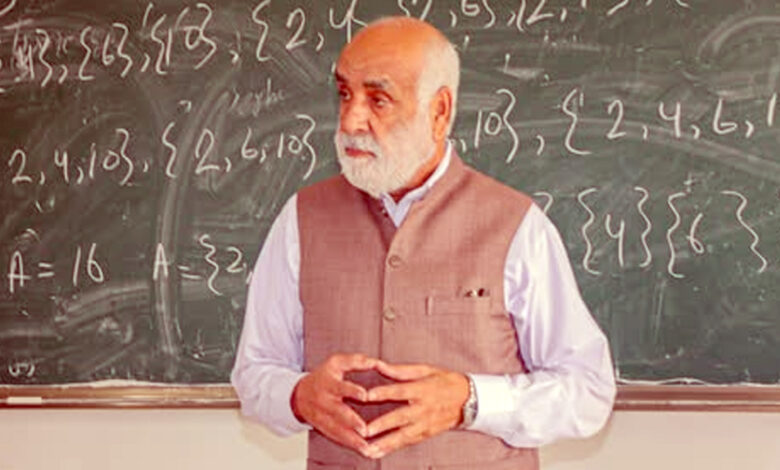
Gwadar:The 8th Academic Council meeting of the University of Gwadar was held at the CPEC Study Center’s Conference Room, located within the Pak-China Technical and Vocational Institute. The session was chaired by Vice Chancellor Professor Dr. Abdul Razzaq Sabir.
The meeting was attended by Pro Vice Chancellor Professor Dr. Syed Manzoor Ahmed, Dr. Amjad Hussain (representative of the Higher Education Commission of Pakistan), Aftab Nemat (representative of the Higher Education Department, Government of Balochistan), Dean of Social Sciences Professor Dr. Jan Mohammad, Dean of Science and Engineering Dr. Muhebullah, Controller of Examinations Dr. Raheem Bakhsh Mehr, Registrar Daulat Khan, senior faculty members, and administrative officials.
Key academic and policy decisions were made to strengthen the university’s academic structure and align it with national higher education standards. In his opening address, Vice Chancellor Dr. Sabir highlighted the university’s vital role in promoting educational excellence and contributing to the socio-economic development of the region. He also appreciated the collaborative support of the faculty, administration, Chancellor’s Office, HEC, and the Government of Balochistan.
The council ratified the proceedings and decisions of the 7th Academic Council meeting held on November 8, 2024. The meeting also approved the proceedings of the third Board of Studies of the Academic Department, the report of the Relevance Assessment Committee for Management Sciences, and the inclusion of course codes for the four-year BBA program to enhance curricular alignment.
Significant approvals included:
– **HEC’s National Fee Refund Policy 2024**
– **Graduate Policy (GPE) 2023**
– **University Academic Calendar for 2025**
– **New BS Zoology curriculum (including Fisheries)**, focusing on Gwadar’s coastal ecosystem
– **New graduate programs**, including **E-Commerce**, aligned with Gwadar’s economic and industrial development
The council also discussed expanding research opportunities and improving faculty development and student support services to create an inclusive and dynamic academic environment.
In his concluding remarks, Dr. Sabir thanked all council members for their valuable contributions and expressed confidence that the approved reforms would not only enhance the academic standing of the university but also amplify its impact on regional development.