Iran’s Floating Oil Reserves Run Dry Amid US Naval Blockade: Wall Street Journal
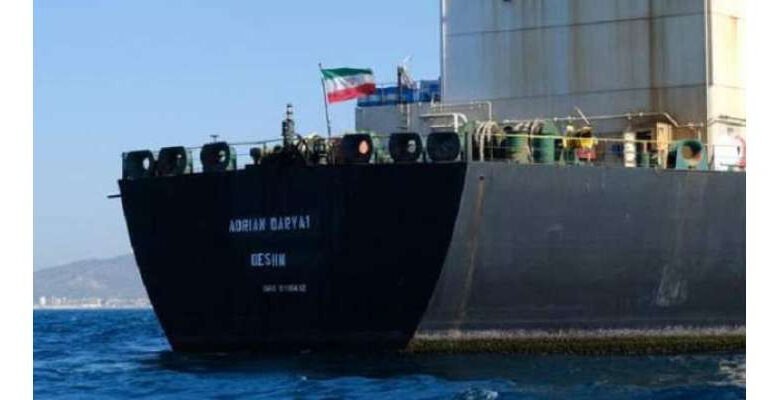
WASHINGTON: Iran’s stockpile of crude oil stored aboard its so-called shadow tanker fleet has reportedly been exhausted, dealing a significant blow to Tehran’s ability to maintain oil supplies to China amid a US naval blockade, according to a report by The Wall Street Journal.
The newspaper reported that, for much of the war, Iran had relied on dozens of oil tankers anchored in Asian waters, carrying millions of barrels of crude oil. Tehran used these floating reserves to continue selling oil to China and generate billions of dollars in revenue despite US sanctions.
However, analysts at data analytics firm Kpler said the stockpiles had been completely depleted by mid-October as the US blockade prevented Iran from exporting crude oil that it would normally sell to Chinese refineries.
According to the report, US Central Command said in a statement on Saturday that the blockade had deprived Iran of at least $25 billion in oil revenue, potentially limiting its ability to replace damaged factories and weapons.
How Iran’s Shadow Tanker Network Operated
Iran developed an elaborate shipping network over several years to continue delivering oil to its largest buyer, China, despite international sanctions.
Rather than shipping crude directly to Chinese refineries, Iran-linked shadow tankers transported oil to waters near Malaysia and Singapore. The crude was then transferred to other vessels, which carried it to Chinese refineries through a system designed to obscure its origin.
Analysts said payments from Chinese buyers could take approximately two months to arrive, meaning Tehran might still receive some revenue from earlier oil sales in the coming weeks.
Floating Oil Stocks Fell Sharply After Blockade
According to Kpler data cited by the newspaper, Iran held approximately 135 million barrels of crude oil overseas at the beginning of the war in February, most of it in waters near Malaysia and Singapore.
The stockpile declined rapidly after the United States first imposed a naval blockade in April, restricting Iran’s ability to export its oil.
In mid-June, the blockade was lifted under a peace negotiation arrangement, allowing Iran to resume shipments and rebuild its floating reserves to approximately 90 million barrels.
However, the situation changed again when the United States reinstated the blockade in mid-July.
By October 5, Iran’s overseas oil reserves had fallen to less than one million barrels, according to Kpler. The remaining floating stockpile was subsequently reported to have been completely exhausted by mid-October.
Pressure on Iran’s Oil Revenue
The depletion of these reserves could further constrain Iran’s ability to sustain oil exports to China, which has remained a crucial buyer of Iranian crude despite US sanctions.
The loss of the floating stockpile also highlights the impact of restrictions on Iran’s established oil-shipping and revenue-generation network.
Although payments from previous shipments may continue to reach Tehran in the coming weeks, the exhaustion of stored crude could limit its ability to maintain the same export volumes if the blockade remains in place.
The full extent of the economic impact will depend on how long the restrictions continue and whether Iran can find alternative ways to store, transport and sell its oil.