Karachi Ranked Among World’s Least Livable Cities, MQM Criticizes PPP Government
Karachi: Pakistan’s largest city, Karachi, has been ranked among the world’s least livable cities, triggering sharp political criticism from the Muttahida Qaumi Movement-Pakistan (MQM-P), which blamed the Pakistan Peoples Party (PPP)-led Sindh government for what it described as years of administrative failure.
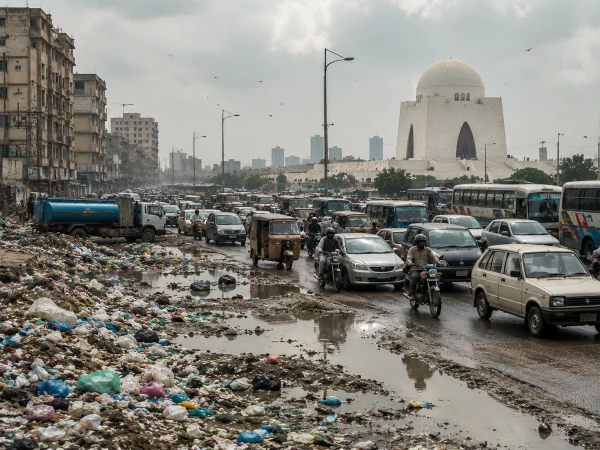
According to local media reports, the MQM-P spokesperson said the city’s deteriorating road infrastructure, widespread sanitation issues, severe water shortages, and worsening traffic congestion reflect the provincial government’s poor governance. He argued that Karachi has been deprived of basic civic facilities despite repeated promises by the ruling party.


The spokesperson further stated that had the Sindh government taken the city’s problems seriously, Karachi’s global reputation would not have declined to such an extent. He accused the PPP of failing to address long-standing urban challenges and relying on political rhetoric instead of practical solutions.
The criticism follows the latest report by the Economist Intelligence Unit (EIU), which placed Karachi at 170th out of 173 cities in its global livability rankings, making it one of the world’s least livable cities. The ranking has renewed debate over the city’s infrastructure, public services, and overall quality of life.
Political analysts say the report has intensified scrutiny of the Sindh government’s performance, while observers note that Karachi’s chronic problems—including inadequate water supply, poor sewage systems, damaged roads, and traffic management—remain major challenges that require comprehensive long-term planning and investment.
The MQM’s remarks are part of the ongoing political debate over governance in Karachi, with the city’s livability ranking adding further pressure on authorities to improve essential public services and urban infrastructure.