Iran–US Islamabad Talks: Some Agreements Reached on Key Issues, Claims Hamid Mir
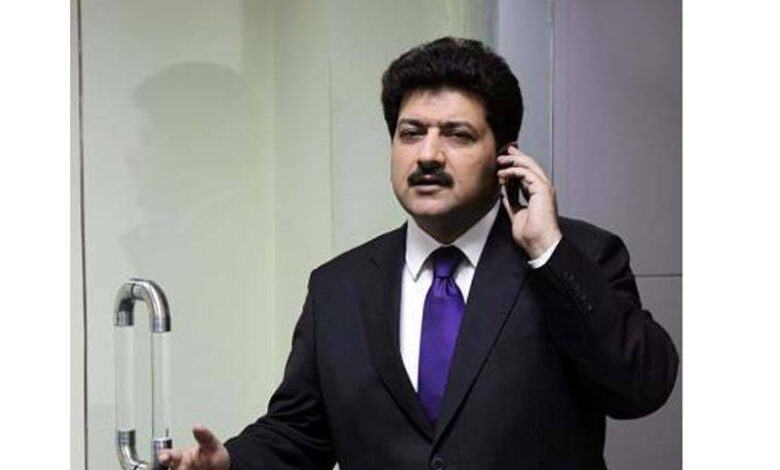
Islamabad: Senior journalist and analyst Hamid Mir has made key revelations regarding behind-the-scenes developments in the Iran–United States talks held in Islamabad, suggesting that progress has been made on several important issues.
Speaking on a Geo News morning program hosted by Huma Amir Shah, Hamid Mir said that recent statements coming from political leadership indicate rising uncertainty, particularly regarding tensions over the Strait of Hormuz and the fragile ceasefire situation.
He stated that U.S. President Donald Trump’s remarks about a possible blockade of the Strait of Hormuz have raised concerns in the region, while Iran has warned that such actions could trigger a resumption of conflict.
According to Mir, the Islamabad negotiations involved intensive discussions lasting around 21 hours and marked the first high-level contact between Iran and the United States since 1979. He claimed that senior officials, including the U.S. Vice President and Iranian leadership representatives, participated indirectly and directly in the process.
He further said that former U.S. President Donald Trump remained indirectly involved in the talks through constant briefings from his Vice President JD Vance, who reportedly communicated instructions during the negotiations.
Hamid Mir claimed that while a ceasefire understanding exists between both sides, a formal agreement is yet to be publicly announced. He added that both parties have agreed to meet again, although the details remain confidential.
He said that some issues, including uranium enrichment and the Strait of Hormuz, appear to have seen positive progress in negotiations, while other sensitive matters remain unresolved.
Mir added that both sides are intentionally avoiding public disclosure of agreed points to prevent external pressure on the negotiating teams. He suggested that political messaging from Washington may be aimed at domestic audiences rather than reflecting actual negotiation outcomes.
He further noted that Iran initially showed reluctance to engage in talks but later entered the process with certain guarantees, while external military developments in the past have previously disrupted diplomatic progress.
According to him, future meetings between the two sides are expected, and despite public rhetoric, diplomatic channels remain active.
میرے علم میں ایسی باتیں ہیں جن پر ایران امریکہ کا معاہدہ ہو چکا ہے لیکن میں بتانا نہیں چاہتا اگر بتا دیا تو مڈل ایسٹ یورپ کا میڈیا اس بات کو جیو سے اُٹھا لے گا تو بہت مسئلہ بن جائے گا ۔ حامد میر

بھینچود یہ والا کانفیڈنس ہونا چائیے بس pic.twitter.com/MCd16QUWfW
— Kippsam Malik (@KeepsamM) April 13, 2026