Currency Rates Fluctuate in Pakistan as Market Volatility Impacts Economy
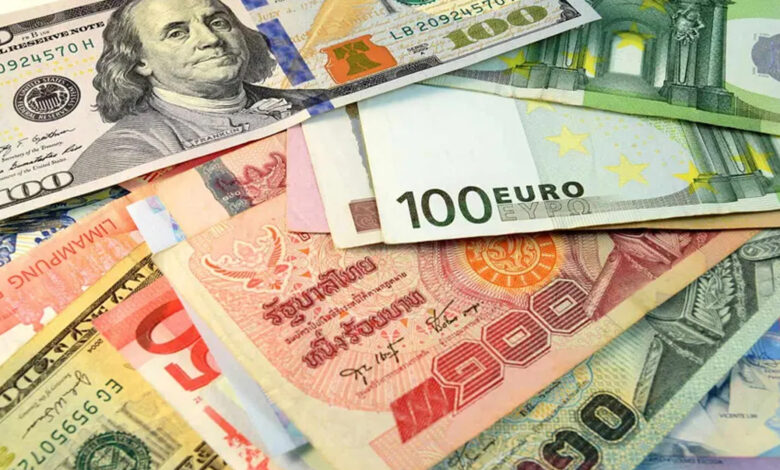
Karachi — Foreign exchange rates in Pakistan continue to fluctuate on a daily basis, directly affecting the country’s economy, inflation, and trade activities. Variations in the currency market influence import costs and pricing across local markets, making exchange rates a key concern for businesses and consumers alike.
According to the latest data from the open market, the US dollar was traded at Rs279.00 for buying and Rs280.10 for selling, while in the interbank market it stood slightly lower at Rs278.95 (buying) and Rs279.45 (selling).


Other major currencies also showed notable movement. The British pound was traded in the open market between Rs375.23 and Rs380.74, while the euro ranged from Rs321.65 to Rs326.05. In the interbank market, the pound stood at Rs374.16–374.83 and the euro at Rs325.84–326.43.
Among Gulf currencies, the Saudi riyal was traded in the open market between Rs74.50 and Rs75.70, while the UAE dirham ranged from Rs76.20 to Rs77.30. The Qatari riyal was recorded between Rs71.21 and Rs72.50.
Other currencies such as the Kuwaiti dinar (Rs877.00–888.35), Omani riyal (Rs720.85–731.90), and Bahraini dinar (Rs726.15–741.01) remained among the highest-valued in the market.
Commodity-linked currencies like the Australian dollar (Rs194.10–201.29) and Canadian dollar (Rs199.46–208.84) also saw variation, while the Chinese yuan was traded between Rs36.45 and Rs37.55 in the open market.
In the interbank market, relatively stable trends were observed for currencies including the Singapore dollar, Swiss franc, Swedish krona, and Japanese yen, with only minor differences between buying and selling rates.
Financial experts note that ongoing global and domestic economic factors continue to drive volatility in exchange rates. These fluctuations not only affect importers and exporters but also have a direct impact on the prices of essential goods and services across Pakistan.
Authorities advise businesses and consumers to stay updated on daily currency movements, as rates may change further depending on international market trends and local economic conditions.