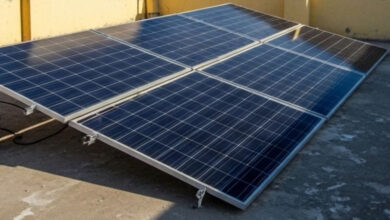
Bad News for Solar Consumers as NEPRA Introduces New Net Billing System, Cuts Power Purchase Rates
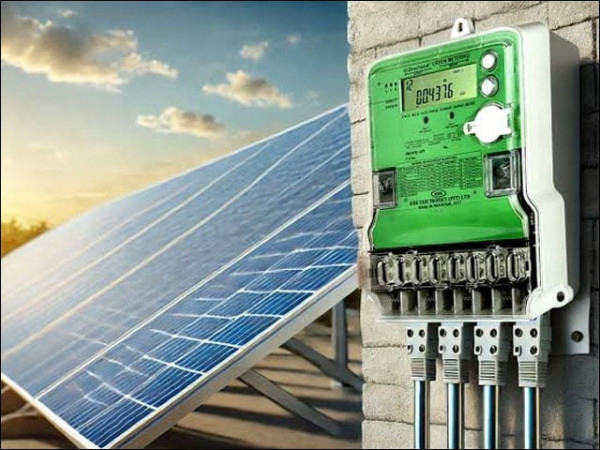
Islamabad: The National Electric Power Regulatory Authority (NEPRA) has reduced the rates for electricity sold to the national grid by solar net-metering consumers and introduced a new net billing mechanism under the revised regulations for 2026.
According to reports, NEPRA has issued a notification for the new regulations. Under the revised framework, existing solar consumers will continue to sell electricity to the national grid at the old rate of Rs25.32 per unit. However, for new solar consumers, the per-unit purchase rate has been slashed by Rs17.19.

As a result, new net-metering consumers will now receive only Rs8.13 per unit for electricity supplied to the national grid—less than one-third of the previous rate. NEPRA has also introduced a new net billing system for both new and existing users, under which exported solar units will no longer be treated as equivalent to government-supplied electricity units.
Under the new system, all electricity imported from the national grid will be charged according to official government tariffs and slab rates, regardless of the number of units exported by the consumer.
In another major change, the license period for new net-metering consumers has been reduced from seven years to five years.
According to the Power Planning and Monitoring Company, Pakistan currently has net-metering solar systems with a capacity of around 7,000 megawatts, while an estimated 13,000 to 14,000 megawatts of solar capacity is being generated through off-grid systems.
Energy experts believe that the new regulations may further increase the trend toward off-grid solar installations. The total number of solar net-metering consumers in the country stands at 466,000.
Data from the Power Division’s Power Planning and Monitoring Company shows that 82 percent of net-metering solar users are based in major cities. Lahore accounts for 24 percent of users, followed by Multan with 11 percent, Rawalpindi with 9 percent, Karachi with 7 percent, and Faisalabad with 6 percent.