Why Hair Falls Out More in Winter and How to Prevent It
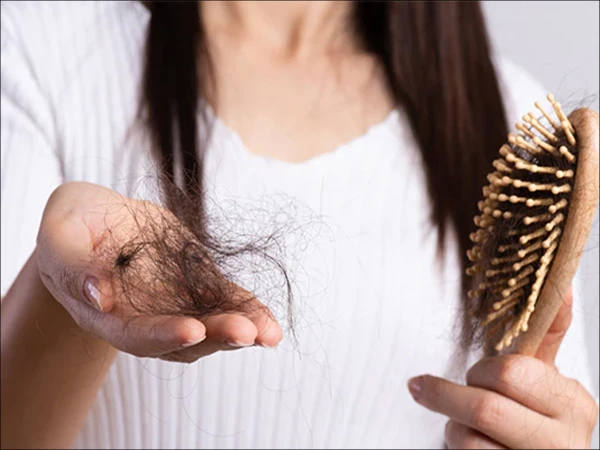
Islamabad: Winter brings cozy clothes and hot drinks, but it also comes with an unwelcome problem for many: increased hair fall. People often notice more hair on their combs or increased dandruff during the colder months. Experts say changes in weather, reduced humidity, and daily habits can worsen this issue. Here’s why hair fall increases in winter and some easy ways to prevent it.
Dry Scalp During Cold Weather
Winter air has low humidity, which directly affects the scalp. Dry scalp can become itchy and flaky, causing hair to weaken and break. Frequent washing with hot water strips natural oils from the hair, further weakening the roots.


Damage from Heaters and Warm Air
Using heaters or blowers indoors further dries the air. Constant exposure to a dry environment prevents the scalp from retaining moisture, leaving hair lifeless. Experts say this is usually temporary, but if precautions are not taken, hair fall can become noticeable.
Nutritional Deficiency and Low Water Intake
People often drink less water in winter because they feel less thirsty, which can lead to dehydration. A diet lacking protein, iron, zinc, and vitamin D also affects hair growth. A balanced diet is essential for healthy hair and overall wellness.
Stress and Sleep Deprivation
Stress, irregular sleep, and winter lethargy can affect hormones. Experts explain that stress disrupts the natural hair growth cycle, temporarily increasing hair fall.
Simple Ways to Reduce Hair Fall
Use mild shampoo and lukewarm water: Avoid very hot water and opt for sulfate-free shampoos that provide moisture and protect natural oils.
Oil massage: Massage the scalp twice a week with coconut, almond, or olive oil to improve blood circulation and strengthen roots. Adding a few drops of castor oil can also help.
Balanced diet and hydration: Include eggs, fish, lentils, vegetables, nuts, and yogurt in your diet. Drink adequate water throughout the day.
Use a humidifier: Running a humidifier in heated rooms keeps the air moist, benefiting both scalp and skin.
Avoid tight hairstyles: Do not tie hats, scarves, or hair too tightly, and avoid combing wet hair roughly. Use a soft brush to prevent breakage.
When to See a Doctor
Consult a dermatologist if hair fall persists for several weeks, if there is severe scalp itching or sores, or if hair suddenly falls out excessively. Sometimes hair fall may indicate hormonal imbalances or nutritional deficiencies.
Winter hair fall is often caused by seasonal changes, dryness, and altered routines, but with proper care, a balanced diet, and simple precautions, this problem can be managed. A little attention can keep your hair strong and healthy even in the cold months.