For decades, government employment in Balochistan remained synonymous with money, influence, and favoritism rather than merit, hard work, and competence. A government job was widely seen as a symbol of economic security and social status, gradually giving rise to a deeply entrenched culture where positions were allegedly bought instead of earned. The biggest casualty of this system was merit itself, leaving generations of educated youth disillusioned, frustrated, and distrustful of the state. Tragically, no political leadership—whether nationalist forces from Makran or federal politicians from Lasbela and Awaran—made a serious attempt to dismantle this entrenched system.
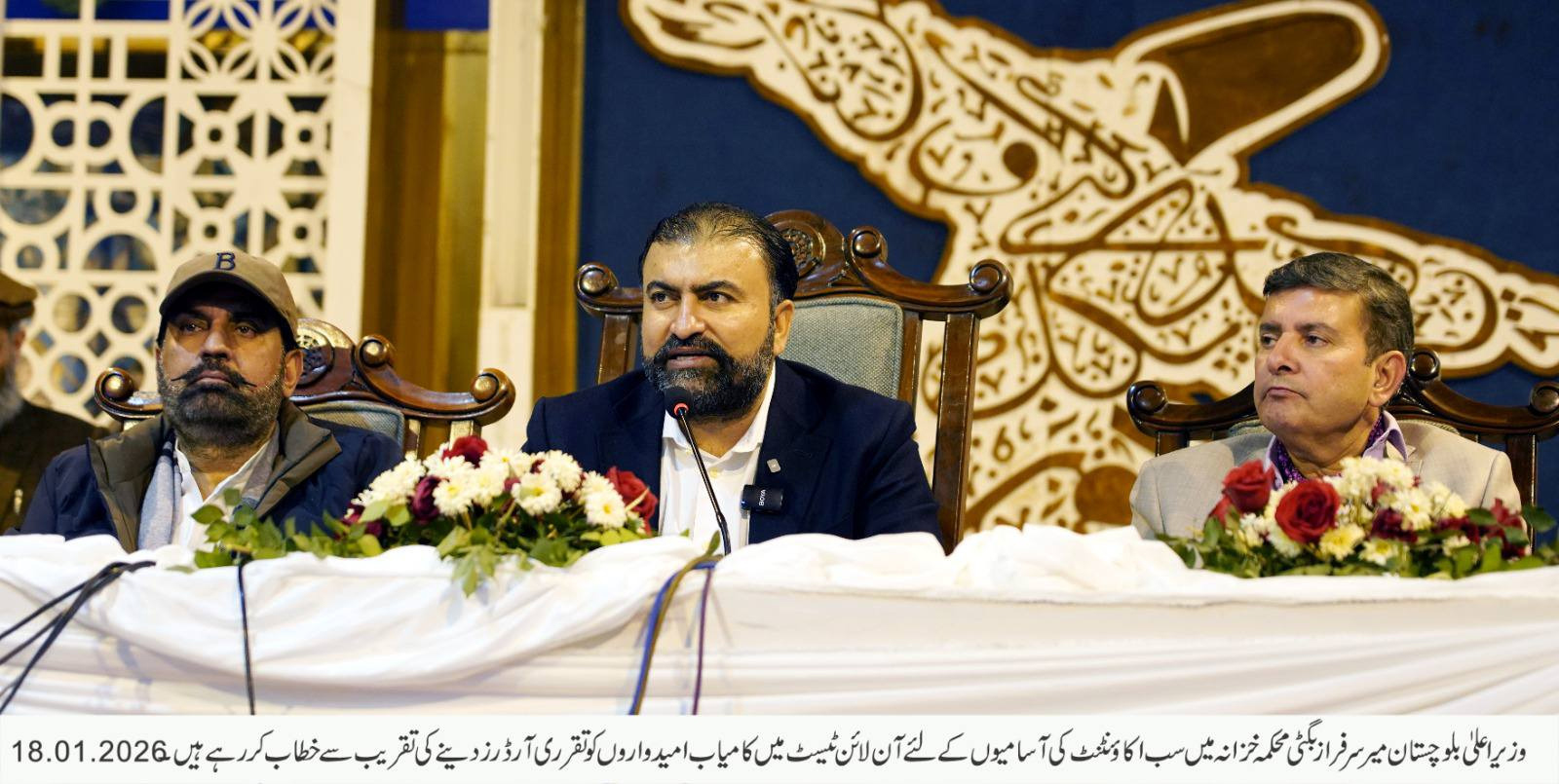
Upon assuming office, Chief Minister Balochistan **Mir Sarfraz Bugti** made an unequivocal declaration on the floor of the provincial assembly that government jobs would no longer be sold and that merit and transparency would be ensured at all costs. This was not merely a political slogan but a challenging commitment. Its first real test came in the form of the inherited SBK test crisis. Despite intense pressure and multiple hurdles, the Chief Minister introduced a comparatively transparent recruitment mechanism for contractual appointments—something unprecedented in Balochistan. Acknowledging the ground realities, he consistently claimed “99 percent merit” rather than an unrealistic 100 percent, recognizing that flaws still existed.
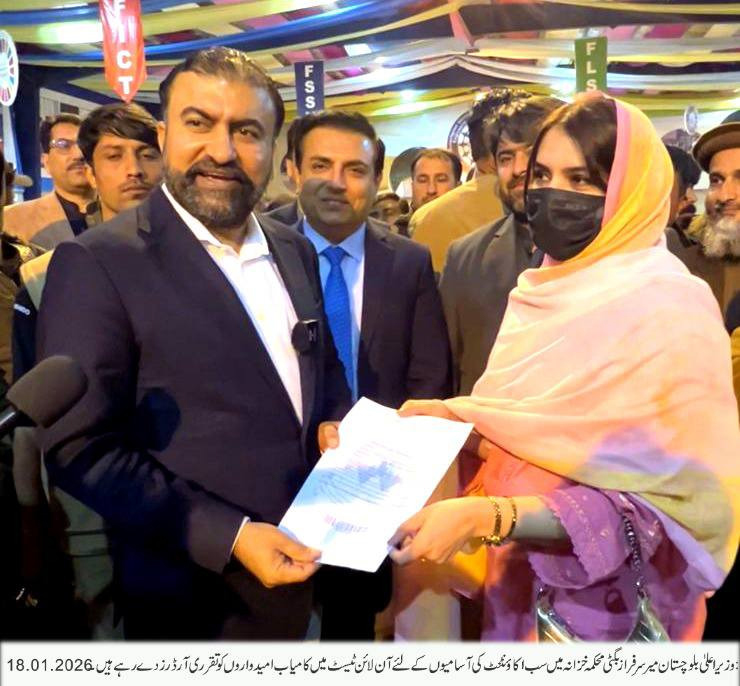
Given Balochistan’s complex social and political environment, it became imperative to introduce a system where human interference, favoritism, and bad faith were virtually eliminated. In this context, **Finance Secretary Imran Zarkoon**, an Oxford-educated son of Balochistan, took a bold and transformative step. The Finance Department required recruitment for **111 Grade-14 positions**, and in line with the Chief Minister’s vision, it was decided that these appointments would be made strictly on merit.
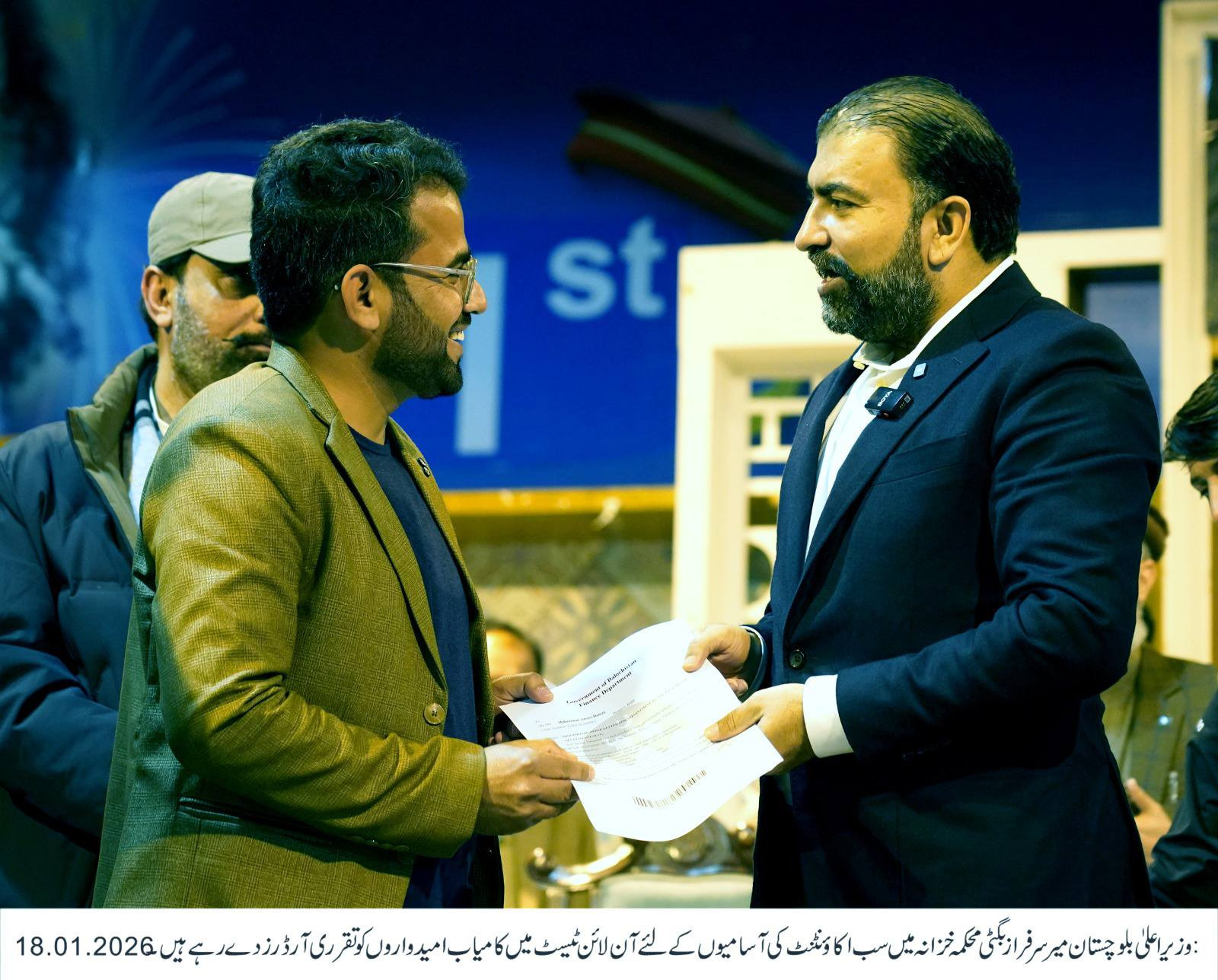
To achieve this, the Finance Department developed a **modern online recruitment portal**, the first of its kind in the province. This system provided real-time monitoring, ensuring complete transparency with instant access to candidates’ data at every stage of the process.
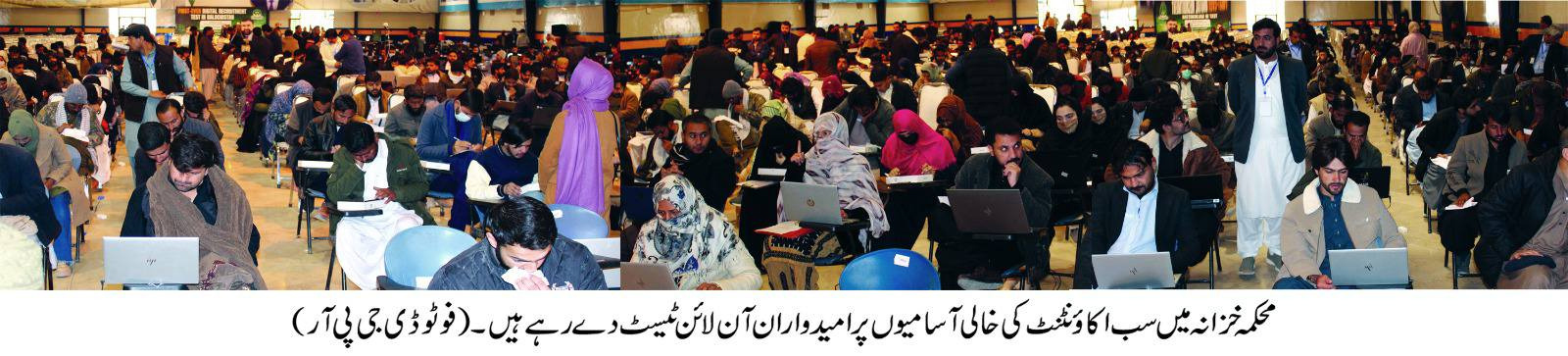
On **January 17, 2026**, more than **5,900 candidates from across Balochistan** gathered at **BUITEMS, Quetta**, to appear in the online test. This marked a historic moment, as for the first time recruitment was neither controlled by ministers nor influenced by powerful bureaucrats. The test began at 9:00 a.m. As expected from a first-time implementation, some technical issues emerged initially, but Finance Secretary Imran Zarkoon and his team addressed them calmly, professionally, and efficiently.
In line with old practices, a few candidates attempted to send proxy test-takers in their place. However, due to the advanced digital system and strict monitoring, all such attempts were promptly detected and thwarted.
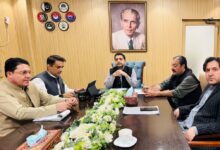
After the initial hour of minor disorganization, the testing process continued smoothly. To further ensure transparency, journalists and civil society representatives were given full access to observe the examination process firsthand. By around **7:00 p.m.**, the tests concluded, and shortly afterward, the results were announced and **appointment letters were issued on the same day**.
While this may appear to be a small step, in reality it represents a **historic and decisive shift** in Balochistan’s governance culture. A merit-based system free from bribery and favoritism has the potential to rebuild the shattered trust of the province’s youth and reconnect them with the state. If, under the leadership of Chief Minister Mir Sarfraz Bugti, this transparent and digital recruitment model is extended to all government departments, it will not only significantly improve service delivery but also mark the practical beginning of ending the long-standing deprivation that the people of Balochistan have complained of for decades.