US Expands Visa Bond Program, Adds 25 More Countries Including Venezuela
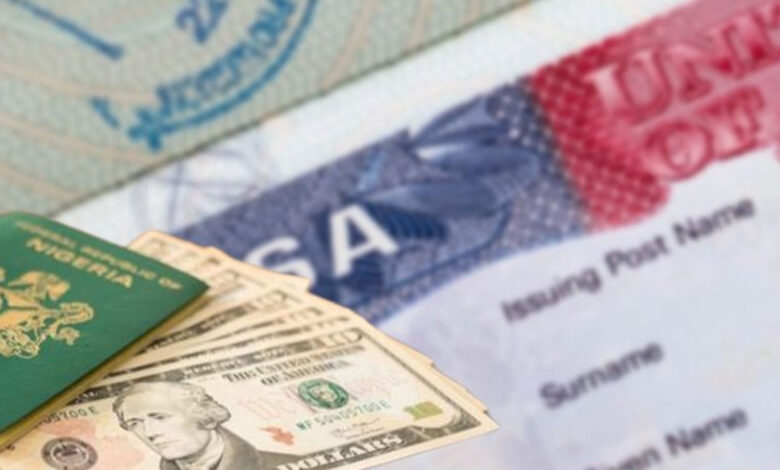
The United States has further expanded its strict immigration policy by extending the visa bond pilot program to include 25 additional countries, including Venezuela. Under this policy, citizens of listed countries will be required to deposit a substantial financial bond in order to enter the US.
According to Reuters, information published on the US State Department’s website shows that the administration of President Donald Trump has added 25 more countries to the list whose citizens may be required to post visa bonds ranging from $5,000 to $15,000 when applying for US business or tourist visas. With the new additions, the total number of countries covered by the program has risen to 38.

Most of the newly added countries are from Africa, Latin America, and South Asia. The State Department said the policy will come into effect on January 21. Under the rules, travelers holding passports from listed countries who qualify for B-1 (business) or B-2 (tourist) visas will be required to post the designated bond at the time of their visa interview.
Reuters reported that the exact bond amount will be determined during the interview process, and applicants must agree to make the payment through the US Treasury’s online payment system, Pay.gov.
Venezuela’s inclusion comes amid reports that Venezuelan President Nicolás Maduro was recently moved to New York following US action, adding further political context to the decision.
US officials say the visa bond policy is aimed at deterring foreign visitors who enter the country on tourist or business visas and overstay their authorized period. The visa bond pilot program was initially launched in August last year with a limited number of countries.
Since returning to office, President Trump has introduced a series of hardline immigration measures, including large-scale deportations, visa and green card cancellations, and increased monitoring of migrants’ social media activity.
Human rights organizations have strongly criticized these policies, arguing that they undermine legal protections and freedom of expression. However, the Trump administration and its supporters maintain that the measures are necessary to strengthen internal security.