Black Pepper: Surprising Benefits for Digestion and Overall Health
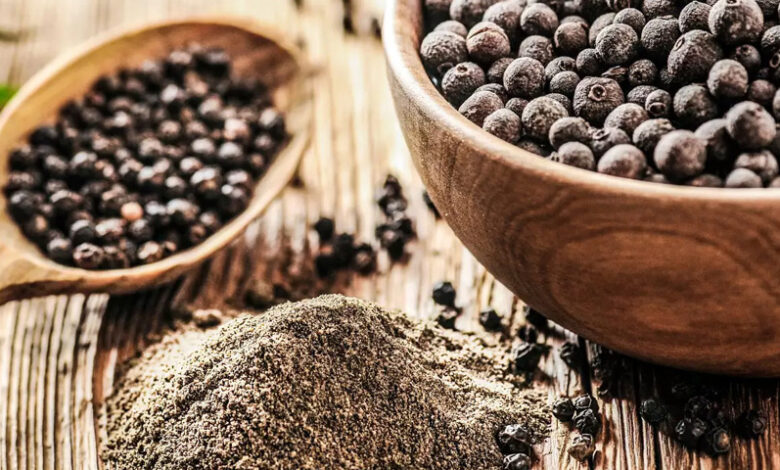
Karachi — **Black pepper**, often referred to as “black gold,” has been an essential part of culinary traditions for centuries. Beyond enhancing flavor, it helps preserve food and offers numerous health benefits.
In Pakistan, black pepper is primarily grown experimentally in the warm and humid southern and northwestern regions, while most of the market supply is imported. Globally, **Vietnam produces nearly 39%**, **Indonesia 15%**, and **India and Brazil about 10%** of the world’s black pepper.


**Health Benefits:**
Black pepper contains **piperine**, an antioxidant that enhances nutrient absorption. It strengthens digestion, promotes intestinal health, and boosts immunity by activating white blood cells.
1. **Improved Nutrient Absorption:** Black pepper increases the body’s uptake of vitamins and minerals, supporting overall health.
2. **Stronger Digestion:** It enhances stomach strength, aids in food digestion, and reduces gas and bloating.
3. **Boosted Immunity:** Piperine strengthens the body’s defense system, helping fight infections.
4. **Antioxidant Effects:** Protects cells from damage and supports heart and brain health.
5. **Healthy Bones and Joints:** Rich in manganese, black pepper supports bone strength, joint health, and wound healing.
6. **Heart and Blood Health:** Helps control blood fat levels and promotes cardiovascular well-being.
7. **Rich in Vitamins and Minerals:** Contains vitamins K, E, A, B1, B2, B5, B6, and minerals such as manganese, copper, iron, calcium, phosphorus, potassium, selenium, zinc, and chromium. One teaspoon of black pepper fulfills about 13% of daily manganese requirements.
Experts recommend using freshly ground black pepper, which is more potent and pure. It can be added to biscuits, fish tacos, roasted vegetables, or iced tea for enhanced flavor and health benefits.
**Note:** Piperine may affect the absorption of certain medications; consultation with a doctor is advised before use.