Afraasiab Khattak Stresses Political Dialogue for Resolving Balochistan’s Issues
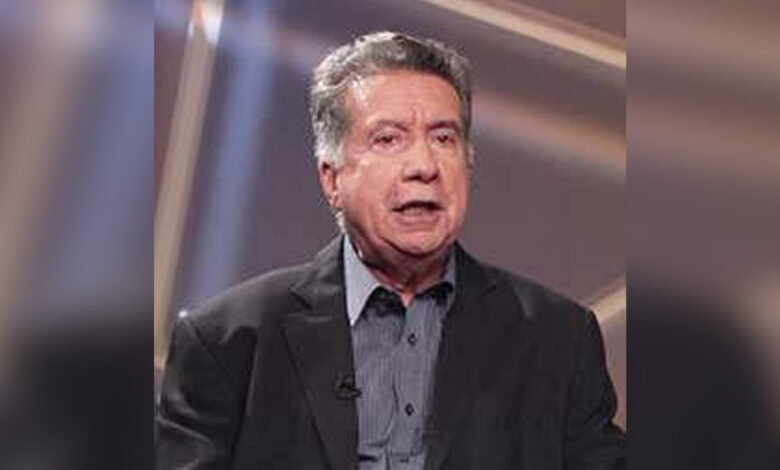
Quetta:The founder of the National Democratic Movement (NDM) and the Chairman of the party’s Research and Policy Committee, former Senator Afraasiab Khattak, has stated that the current volatile situation in Balochistan can only be improved through a political solution, advocating for a peaceful environment conducive to negotiations. He emphasized that military solutions are not viable, as the problems in the province have worsened due to incorrect policies and actions.
He made these remarks during a conversation with senior journalists at a luncheon hosted by senior politician Nawabzada Haji Lashkari Raisani. The event was attended by several political figures, including Nawabzada Haji Lashkari Raisani, Mir Hamayun Aziz Kurd, Dr. Ishaq Baloch, Aslam Baloch, Chingiz Hai Baloch, Tahir Hussain Advocate, Haji Farooq Shahwani, Ahmad Jan, and others.
Afraasiab Khattak pointed out that whenever he has visited Quetta, the people’s grievances regarding the rulers and authorities have remained unchanged. He added that the authorities have failed to address the growing sense of distrust and dissatisfaction among the public, which has only worsened in the last three to four years. He emphasized that the problem in Balochistan is political and needs to be resolved through dialogue, not through military means. He stressed that the state must demonstrate magnanimity by releasing detained leaders, including the Baloch Youth Congress (BYC) leadership, to pave the way for meaningful negotiations.
In response to a question, Khattak recalled that in 2014, then-Chief Minister Dr. Abdul Malik Baloch had initiated negotiations, and several political figures had agreed to engage in dialogue. However, the process faltered due to the forced disappearances and killings of individuals during that period, which undermined trust in the negotiation process. He also noted that political parties had compromised on their principles, deviating from constitutional and democratic norms in pursuit of power. This led to a failure to address the needs of the people.
He criticized the major political parties for compromising with the establishment and not holding meetings of the National Finance Commission (NFC) and Council of Common Interests (CCI), thus preventing the fair distribution of resources between provinces.
Khattak also discussed the role of the judiciary in the delivery of justice, stating that despite disagreements with some court rulings, there is a need to strengthen the political process through judicial actions against unconstitutional laws, particularly those introduced during the tenure of the PTI government. He stated that the establishment cannot be absolved of its responsibility, citing the failure to implement Article 6 of the Constitution regarding former President Pervez Musharraf’s actions.
Further, Khattak highlighted the significance of the 18th Amendment, which he described as a “silent revolution” that ensured provincial autonomy and the transfer of powers to the parliament. He criticized the 2018 elections as fraudulent, claiming that millions of rupees were exchanged for seats, and the people’s chosen representatives were obstructed from entering parliament. He stated that if a commission is formed to investigate these elections, he would present evidence and facts.
Khattak also recounted efforts from 2013, when he, along with other senators, had called for legislation to bring the ISI under the rule of law. However, the Ministry of Defence failed to respond or take any action. He further accused the establishment of obstructing such reforms through strategic appointments, including the elevation of Sadiq Sanjrani as Chairman of the Senate, to prevent any legal actions against the establishment.
In conclusion, Khattak reiterated that the political solution to Balochistan’s problems lies in dialogue, mutual understanding, and respect for constitutional and democratic principles. He called on political leaders and the public to remain committed to these goals for the future of the province.


