PKMAP Makes History by Appointing Women to Key Positions in National and Provincial Leadership
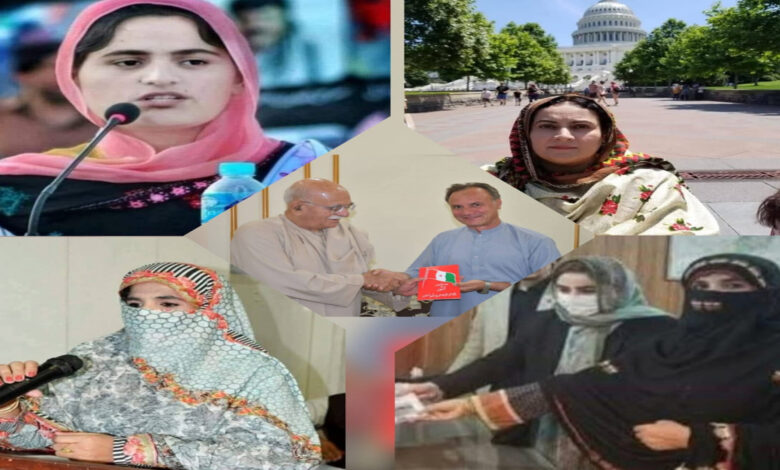
In a groundbreaking move, the Pashtunkhwa Milli Awami Party (PKMAP) has set a historic precedent by appointing women to key positions within its organizational structure at both the national and provincial levels. This progressive step not only reflects the party’s commitment to gender equality but also challenges traditional gender biases prevalent in Pakistan’s political landscape.
Unlike many other political and religious parties in Pakistan, which often create separate wings for women, youth, labor, and media—sometimes leading to indirect discrimination or marginalization—the PKMAP has integrated women into leadership roles without segregating them. This decision underscores the party’s dedication to eliminating gender-based hierarchies within its structure, promoting true gender equality, and breaking away from outdated societal norms.
The move aligns with Marxist-Leninist organizational principles, which emphasize class equality and critique social stratification. By removing barriers to women’s participation, PKMAP is not just advancing gender equality, but also laying the groundwork for greater inclusion of Pashtun women in national politics.
The party’s transformative approach to gender inclusion follows a strategic shift that began two years ago when the party revamped its constitution and manifesto. The updated document outlined a conscious move towards organizational values based on equality and social justice, signaling a long-term commitment to progressive political change.
As Pashtun nationalist and freedom fighter, Kakaji Sanober Hussain Momand, once aptly said, “I admire the Pashtun because by nature, they are socialists, and they do everything in a spirit of collective effort.” PKMAP’s decision reflects this very ethos, promoting a model of inclusive leadership based on unity and equality.
While the effects of this change are yet to be fully realized, the initiative marks an important milestone in the journey toward greater political equality and inclusivity in Pakistan’s political parties. However, its long-term impact will depend on its broader acceptance within both the party and the national political sphere.