NHA’s 25% Additional Toll Tax on MTAG Non-Users Criticized as Unlawful
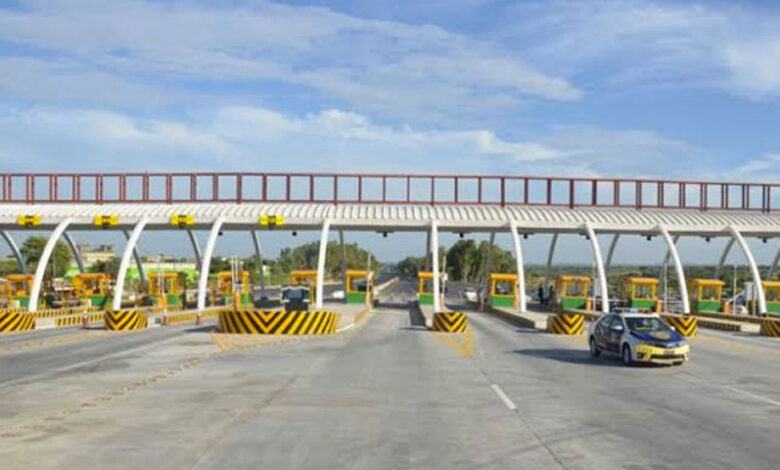
The National Highway Authority’s (NHA) decision to impose a 25% additional toll tax on vehicles not using the M-Tag system or with insufficient balance has sparked controversy and is being labeled as illegal by experts. This move has led to concerns over the unlawful collection of millions of rupees from the public.
According to a notice on the NHA website, starting from February 1, vehicles without M-Tag or with low balance are being charged an additional 25% toll tax. However, experts argue that this increase is unlawful because the NHA’s tolling policy does not even mention M-Tag, and under the NHA Act, any policy change like this requires approval from the NHA Council and the NHA Board, along with endorsement from the federal cabinet.

Sources indicate that this decision was made unilaterally by NHA officials, and as a result, millions of rupees in extra toll taxes will be illegally collected from the public every month.
When contacted, Mazhar Hussain, Director of Public Relations at NHA, explained that the intention behind the 25% extra toll tax was not to collect more money but to encourage people to use M-Tags. He added that the NHA had launched a public awareness campaign a month and a half before implementing the extra tax, which was being aired on newspapers and television, urging people to use M-Tags for smoother travel and reduced pollution.
However, sources maintain that the move contradicts the NHA’s own regulations, as the authority cannot create such rules without the approval of the Prime Minister, the federal cabinet, and in line with directives from the Supreme Court. The sources further stated that the NHA’s decision was neither approved by the NHA Council nor the NHA Board.
Additionally, experts pointed out that maintaining higher balances in prepaid accounts benefits toll collection companies, who receive millions in advance, while the NHA only receives the actual toll tax paid. Some also raised concerns about NHA’s commitment to tackling environmental pollution, arguing that if the authority were truly serious about the issue, it would have taken further steps to address vehicle emissions on national highways.
Critics also noted that the M-Tag system has flaws, with vehicles often being forced to wait in lines due to the system’s failure to read tags properly. This leads to delays, even in M-Tag lanes, with automated barriers taking longer to lift compared to other countries. For instance, in India, if seven or more vehicles are lined up in front of a car at a toll plaza, the toll fee is waived if there is excessive waiting time. However, the NHA does not offer such concessions to the public in Pakistan.