Using Sindh’s Situation as Excuse to Oppose New Provinces Is Personal Agenda, Says Khawaja Asif
Political leadership should rise above personal interests and find consensus on the creation of new provinces; alternative solutions will be explored even if PPP disagrees, says defence minister
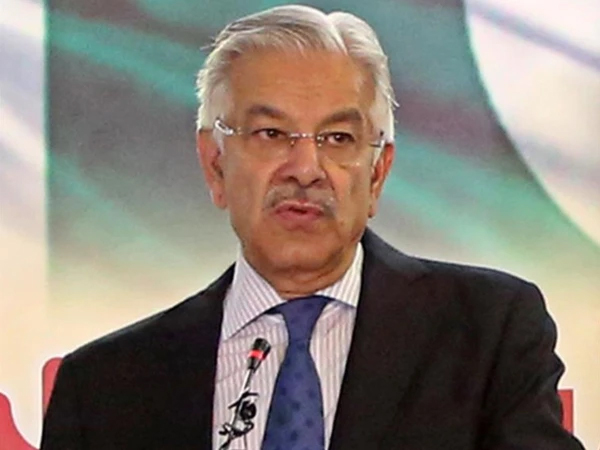
Islamabad: Defence Minister Khawaja Asif has said that using the situation in Sindh as an excuse to create unrest over the establishment of new provinces amounts to advancing a personal agenda.
Speaking on a private television programme, the defence minister said political leadership should discuss the issue of new provinces while putting aside personal interests. He said the situation in Sindh was being cited as a justification to pursue personal agendas.

Khawaja Asif clarified that the Pakistan Muslim League-Nawaz (PML-N) had so far expressed no objections or reservations regarding the creation of new provinces. He said the prime minister was moving forward with the issue and wanted consensus among all political forces on this national matter.
He said the prime minister had also held meetings with the president and other important figures in this regard, adding that efforts would be made to find an acceptable way forward for the establishment of new provinces.
The defence minister said that even if the Pakistan Peoples Party (PPP) did not agree on the issue, attempts would still be made to explore an alternative solution.
He stressed that closing all avenues in political matters would not serve the interests of the country, politics or the public. Questioning opposition to the creation of new provinces, he asked whether new provinces were not established in different countries around the world.
Khawaja Asif said political issues should be resolved through dialogue and negotiations rather than confrontation.
He further said that statements warning of bloodshed over the creation of new provinces raised questions about the direction in which certain elements were attempting to take the debate.
The defence minister said personal agendas of some politicians were also becoming evident during the ongoing debate over new provinces.
He added that Pakistan was operating under a hybrid system of governance, in which other stakeholders besides political leaders were also involved.