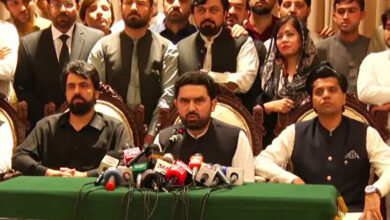
PTI’s Noise Is on Social Media, YouTube and TikTok, Not on Streets: Sohail Warraich

ISLAMABAD: Senior journalist and political analyst Sohail Warraich has offered an analysis of Pakistan’s current political situation, the Pakistan Tehreek-e-Insaf (PTI) protest movement and the government’s measures to block its planned mobilisation, using the Punjabi cultural expression “Dhola and Rola” as a reference.
In his latest column, Warraich wrote that if the long march had only been postponed and was expected to take place again, the central issue was PTI’s “Dhola,” or beloved, while the entire “Rola” (uproar) was being created around it.
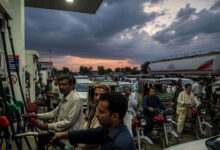

He said the level of noise generated by PTI on social media, YouTube and TikTok was considerably greater than what had been visible on the streets. According to Warraich, if even half of that activity had appeared on the streets, the political system would have faced greater pressure by now.
Warraich argued that the party, which displays considerable activity on the “keyboard,” has been unable to demonstrate comparable strength on the streets, attributing this in his analysis to fear, pressure or organisational weaknesses.
تحریک انصاف کا جس قدر رولا سوشل میڈیا یوٹیوب اور ٹک ٹاک پر ہے اگر وہی رولا گلیوں بازاروں میں بھی نظر آتا تو اب تک نظام کمزور ہو چکا ہوتا مگر مسئلہ یہ ہے keyboard پر جس پارٹی کا زور شور ہے وُہ سڑکوں پر خوف، دباؤ یا عدم تنظیم کی وجہ سے اپنی طاقت دکھانے سے قاصر ہے۔ دوسری طرف حکومت…
— Suhail Warraich (@suhailswarraich) September 28, 2026
On the other hand, he described the government’s response to what it perceived as a threat from PTI as largely based on an exaggerated assessment of the situation. He wrote that the impression of PTI being capable of bringing the capital to a standstill was unrealistic, while the government’s deployment of containers, road spikes and motorway closures appeared disproportionately extensive.
Warraich compared the government’s preparations to the expectation of a major revolutionary movement and observed that Ali Amin Gandapur’s previous long march had proved more challenging and violent than the current mobilisation associated with Sohail Afridi, according to his assessment.
The senior analyst further observed that the current political setup had completed four years, but intellectuals and experienced politicians had still failed to find a lasting solution to the political confrontation.
He said the government and opposition were like two wheels of the same vehicle, but both sides wanted the vehicle to operate with only one wheel. According to Warraich, a one-colour political system could not function and a more inclusive political approach was required to address the country’s problems.
He also criticised what he described as the tendency of both sides to become followers of the same “taste, appearance and hero,” arguing that political differences required broader accommodation rather than continued confrontation.