Karachi Poised for Major Global Recognition, Says UN Urbanization Report
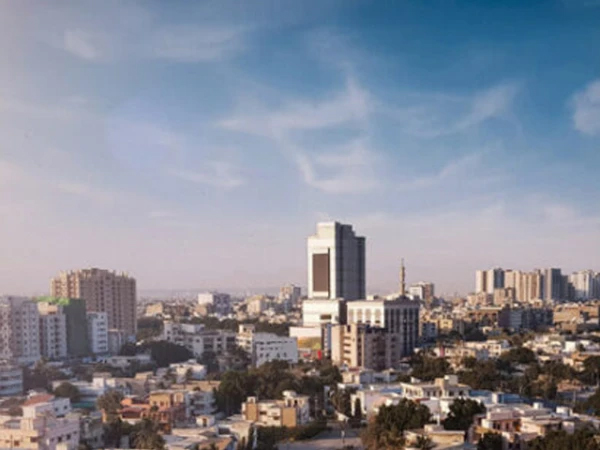
Karachi is on the brink of receiving a significant global distinction, according to the United Nations’ newly released *World Urbanization Prospects 2025* report.
The UN projects that due to Karachi’s rapid and expansive population growth, the city is set to secure a prominent position among the world’s largest urban centers in the coming years. Estimates indicate that between 2025 and 2030, Karachi will enter the list of the world’s top ten megacities.

By 2050, the city’s population is expected to surge to nearly 33 million, placing it among the five largest cities on the planet. The report further states that Karachi may surpass several major metropolitan hubs, including Cairo, Tokyo, Guangzhou, Manila, and Kolkata.
According to the UN, there were only eight megacities globally in 1975, a number that has risen to 33 by 2025. Nineteen of these cities are located in Asia. The UN forecasts that the total will increase to 37 by 2050.
Global data suggests that Dhaka currently leads the race to become the world’s largest city by mid-century. Meanwhile, Tokyo, facing population decline, could slip to seventh place by 2050.
The report also highlights Karachi’s extreme population density, now reaching nearly 25,000 people per square kilometer. Several other highly congested global cities also fall within the 20,000-plus per square kilometer range.
The UN notes that the world is rapidly transitioning toward urban living. While only 20 percent of the global population lived in cities in 1950, the figure has now grown to 45 percent. From 2000 to 2025 alone, the urban population increased by 1.25 billion, with India, China, Nigeria, Pakistan, and the United States contributing more than 500 million to that growth.
Between 2015 and 2025, over 3,000 cities worldwide also experienced population decline, while global rural populations are expected to peak in the 2040s before gradually decreasing.
The report concludes that China and India will continue to dominate global urban population rankings, shaping the world’s demographic landscape through 2050.