Saudi Arabia Deploys Advanced Technology and Artificial Intelligence to Strengthen Security at Haramain
More than 5,000 cameras installed at 80 locations during Hajj 1447 AH; 16 AI algorithms and 31 data dashboards used to monitor crowds and support real-time security decisions
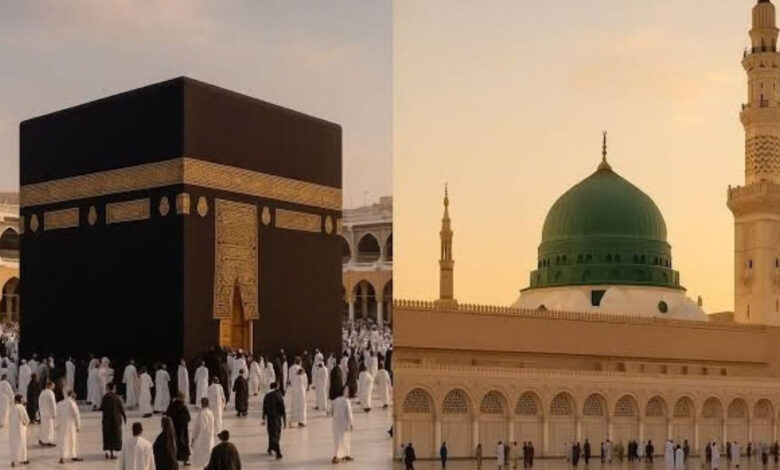
RIYADH: Saudi Arabia is increasingly relying on advanced technology, artificial intelligence (AI) and digital surveillance systems to strengthen security at the Two Holy Mosques, ensuring the safe and orderly movement of millions of pilgrims and visitors.
According to a special report by the Saudi Press Agency (SPA), security arrangements at Masjid al-Haram in Makkah and Masjid an-Nabawi in Madinah have continuously evolved over the years, with modern technology now playing an increasingly important role in protecting visitors and managing large crowds.
The report said that ensuring the security of the Two Holy Mosques had been a fundamental priority since the era of the Kingdom’s founder, King Abdulaziz. A structured system was established to train police personnel and other security agencies responsible for safeguarding the holy sites.
Over the years, the expansion of Makkah and Madinah, improvements in roads, communication networks and other infrastructure, alongside the growing number of pilgrims, led to the expansion of security and administrative services.
In the modern era, security arrangements have gone beyond conventional surveillance, incorporating artificial intelligence, data analytics and advanced digital monitoring technologies.
The Saudi Ministry of Interior has also highlighted the use of AI-powered systems in 2026 to improve crowd management and protect Hajj and Umrah pilgrims.
According to SPA, during Hajj 1447 AH, the Sawaher platform monitored 80 locations through more than 5,000 cameras. The system also utilised 16 artificial intelligence algorithms and 31 data dashboards.
These technologies enabled authorities to analyse crowd movements in real time and helped relevant departments make timely decisions to manage congestion and maintain security.
Similarly, the Baseer platform uses artificial intelligence and computer vision technology to monitor crowds, identify potential incidents in advance and assist in locating missing individuals.
Saudi authorities say these technologies help improve arrangements at heavily crowded locations and ensure that resources are deployed promptly according to requirements.
Coordination among different government institutions also plays a vital role in maintaining security at the Two Holy Mosques and other holy sites.
Security agencies work alongside departments responsible for healthcare, transportation, municipal services and emergency response to ensure the safety and convenience of pilgrims.
The Ministry of Interior is also utilising unified security operations centres and other digital facilities alongside AI-based crowd management systems.
The objective of these modern arrangements is not limited to surveillance. They are also designed to regulate the movement of visitors, identify crowd pressure at an early stage and ensure a rapid response during emergencies.
Through the integration of artificial intelligence and advanced digital technologies, Saudi Arabia is seeking to provide Hajj and Umrah pilgrims with a safer, more organised and more secure environment at Islam’s holiest sites.


