Green Cardamom Offers More Than Aroma, With Potential Health Benefits
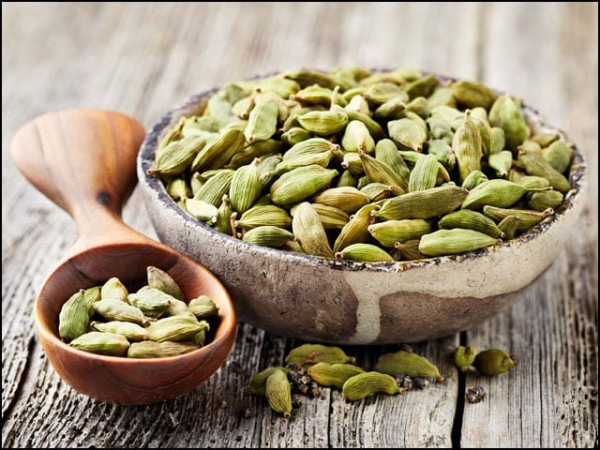
KARACHI: Green cardamom, widely used to enhance the aroma and flavour of tea, is valued not only as a culinary spice but also for its potential health benefits. Its seeds, oil and extracts have long been used in traditional medicine, while scientific research continues to examine its possible therapeutic properties.
The small, green spice has a sweet flavour with a hint of mint and is commonly used in both sweet and savoury dishes. It contains antioxidant and anti-inflammatory compounds that have attracted scientific interest.


Potential Benefits for Blood Pressure
Cardamom has been studied for its possible effects on blood pressure because of its antioxidant content. Some studies have found an association between cardamom consumption and modest reductions in blood pressure. However, it should not be considered a substitute for prescribed medication or medical treatment for hypertension.
Research Related to Cancer
Certain compounds found in cardamom have been investigated in experimental studies examining cancer cells and tumour growth. However, these findings do not establish that cardamom can prevent or treat cancer in humans. Further clinical research is needed to determine whether these effects have any practical medical application.
Anti-Inflammatory Properties
Cardamom contains antioxidant compounds that may help protect cells against oxidative damage and influence inflammatory processes in the body. Its potential anti-inflammatory properties remain a subject of scientific investigation.
Digestive Health and Stomach Ulcers
In traditional medicine, cardamom has been used to support digestion and address certain stomach-related complaints. Some experimental research has also explored its possible protective effects against stomach ulcers. However, stronger evidence from human studies is needed before these benefits can be confirmed.
Fresh Breath and Oral Health
Chewing cardamom is a common practice for freshening breath. Compounds found in its extracts may inhibit the growth of certain oral bacteria, which has contributed to its use in some chewing gums and oral-care products. Nevertheless, cardamom should complement rather than replace regular brushing, flossing and dental care.
Potential Antibacterial Effects
Research suggests that certain compounds in cardamom extracts may show activity against different types of microorganisms. Investigations have examined bacteria associated with foodborne illnesses and other infections, as well as the potential effects of cardamom-derived compounds on certain fungi.
Although these findings indicate possible health-related properties, many remain at the experimental stage. Cardamom can be enjoyed as part of a balanced diet, but it should not be relied upon as a replacement for proven medical treatments.