Aniq Naji Recalls Conversation with Canadian Diplomat About Nawaz Sharif
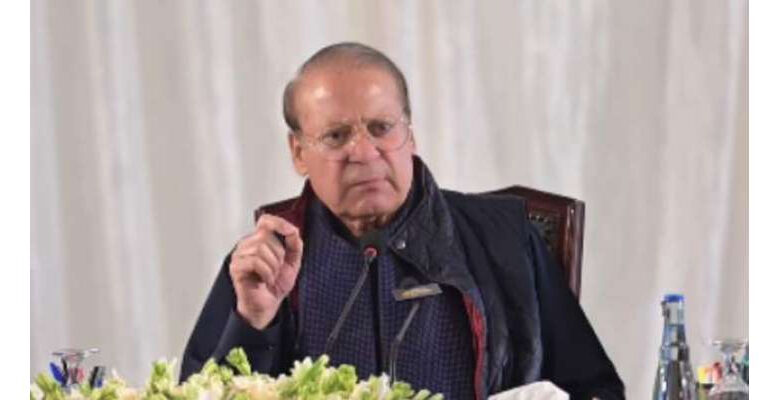
LAHORE: Political analyst Aniq Naji has shared details of a conversation he said he had with a female Canadian diplomat regarding former prime minister Nawaz Sharif, while strongly criticising the Sharif family’s style of governance and Punjab Chief Minister Maryam Nawaz’s political and administrative approach.
Speaking in his vlog, Naji recalled meeting a female diplomat at the Canadian Embassy some time ago. According to Naji, the diplomat told him that she wanted to learn more about Nawaz Sharif and asked him to recommend a book about him.

Naji said he responded by claiming that Nawaz Sharif had never been particularly close to books, adding that he had neither written a book himself nor, in Naji’s view, had a book been written about him. He further criticised what he described as the Sharif family’s attitude towards books, education and intellectual pursuits.
Commenting on the government’s media and political advisers, Naji alleged that political leaders were surrounded by people who constantly praised them and told them that they were exceptional leaders.
کچھ عرصہ پہلے کینیڈین ایمبیسی میں ایک خاتون ڈپلومیٹ آئیں تو ان سے ملاقات ہوئی تو انہوں نے مجھے کہا کہ مجھے نواز شریف کے بارے میں جاننا ہے اس لیے مجھے کوئی کتاب تجویز کریں میں نے کہا وہ تو کبھی کتاب کے نیڑے سے نہیں گزرے نہ انہوں نے خود کوئی لکھی نہ ان پر کسی نے لکھی دوسری طرف… pic.twitter.com/IhSASZI7E1
— AMJAD KHAN (@iAmjadKhann) September 18, 2026
He also criticised Maryam Nawaz, saying that whenever she spoke publicly, her statements often created political difficulties for her own government. Naji claimed that when political or administrative pressure increased in Punjab, the government appeared unsettled and confused.
The analyst also expressed concern over what he described as growing public dissatisfaction with the ruling political leadership. He said those holding real authority should seriously consider the extent of public frustration and how long people could continue to be subjected to political and economic difficulties.
Naji further criticised appointments and the distribution of official privileges, alleging that personal employees and close associates were sometimes given important positions and greater protocol than elected ministers.
He argued that such practices could undermine the morale of qualified and experienced members of a cabinet, questioning how elected representatives could effectively work in an environment where personal staff allegedly received greater official privileges.
Naji concluded by saying that, in his view, the consequences of what he described as these political and administrative practices would become evident in the future.