Report Reveals 72 University of Karachi Houses Occupied by Retired Employees and Families
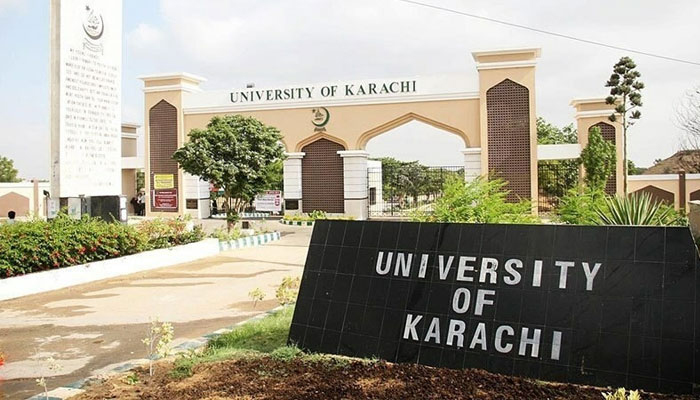
Karachi: Serious irregularities have been uncovered in the allocation and vacation of official residences at the University of Karachi, with documents revealing that at least 72 government houses remain occupied by retired employees, families of deceased employees, and other unauthorized occupants.
According to details, two university employees have been living for years in the Foreign Faculty Guest House, one official residence is reportedly being used by a bureaucrat, while three houses are occupied by security officials.
Under university rules, employees are allowed to retain official accommodation for only one year after retirement. However, official records indicate that dozens of individuals have continued occupying university residences for several years beyond the permitted period. In some cases, unauthorized occupancy has exceeded 18 years, while several former professors and officials have allegedly remained in government housing for nine to ten years after retirement.
Documents show that the University’s Estate Office has issued notices directing occupants to vacate the houses, but most of these notices have reportedly had little effect.
Meanwhile, serving faculty members, officers, and employees continue to wait for official accommodation due to the shortage of available housing.
Sources also claimed that several houses in the residential colony do not have separate electricity and gas meters, resulting in utility costs being borne directly by the university. Reports further suggest that multiple air conditioners are being used in some residences, yet the university administration has neither conducted a comprehensive energy audit nor recovered the cost of unauthorized utility consumption from the occupants.
According to the official list, Ashfaq Warsi, residing in House No. SD-46, has occupied the residence since 2007, despite his authorized occupancy period expiring in 2008. This makes his case the longest reported unauthorized stay, extending to nearly 18 years.
The documents also note that some occupants are still within, or have only recently exceeded, the one-year grace period allowed after retirement, while a few cases involve different administrative circumstances.