Imran Khan’s Amnesty Policy Was a ‘Retreat’; Released Militants Rejoined BLA, Says Balochistan CM Sarfraz Bugti
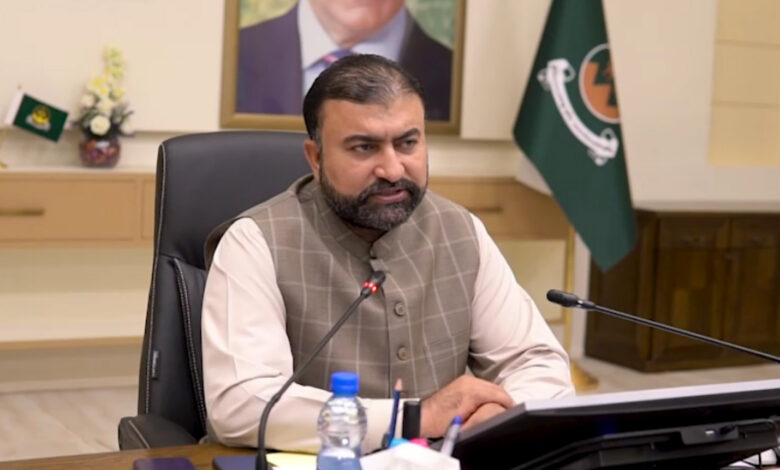
Quetta: Balochistan Chief Minister Mir Sarfraz Bugti has criticized the former government’s policy of granting amnesty to detained militants, describing it as a “retreat” that continues to have consequences for the province’s security situation.
In an interview with a private television channel, the chief minister claimed that several individuals released under the policy adopted during former Prime Minister Imran Khan’s tenure later rejoined banned militant organizations, including the Baloch Liberation Army (BLA) and the Baloch Republican Army (BRA).
He said the state cannot establish peace by surrendering to terrorists and reiterated the government’s commitment to restoring peace in Balochistan at all costs.
According to Sarfraz Bugti, nearly 1,000 militants have been killed across the province over the past year. He added that “Operation Shaban” is being carried out vigorously and that 91 militants have been killed during the ongoing operation. Security forces, he said, will continue their operations until terrorism is completely eradicated.
The chief minister also announced that a judicial commission has been established to conduct a transparent and impartial investigation into the Ziarat tragedy. He further stated that the provincial government will soon convene an All Parties Conference (APC), inviting all political parties to present their viewpoints on the province’s security challenges.
Addressing demands made by the Ziarat protest committee, Bugti said the government’s decision not to restore the Levies Force remains unchanged.
Criticizing the reconciliation policy adopted after 2018, he alleged that the release of militants and the removal of security checkpoints facilitated the movement of extremist elements. He claimed that the provincial government possesses details of individuals who, after being released, chose not to return to normal civilian life and instead rejoined militant groups.
“I had personally conveyed my reservations regarding this policy to then Prime Minister Imran Khan,” he said, adding that the state cannot remain neutral in the fight against terrorism.
Commenting on the overall law and order situation in the province, Sarfraz Bugti acknowledged that while Balochistan is not entirely free of security challenges, it is also inaccurate to portray the entire province as being on the brink of collapse. He noted that thousands of vehicles travel daily on major highways, including the E-70 and routes connecting Bolan and Jacobabad, although security incidents occasionally occur on the N-25 highway and the Noshki-Iran border route.
The chief minister rejected claims that elected representatives are unable to visit their constituencies due to security concerns, stating that many members of the provincial assembly spent Eid celebrations with their constituents.
Referring to the recent attack on Shafiq Mengal, Bugti described him as an important national asset and an influential voice for Pakistan, while stressing that isolated incidents should not be used to characterize the entire province as unsafe.
On the issue of corruption, the chief minister acknowledged that it would be inaccurate to claim corruption has been completely eradicated. However, he said the provincial government is taking serious measures to improve transparency and strengthen governance.
He also clarified that, under existing legislation, members of the provincial assembly are permitted to retain six security guards, while provincial ministers are allowed eight.