Pakistan’s Credit Rating Expected to Improve as Economic Indicators Strengthen, Says SBP Governor
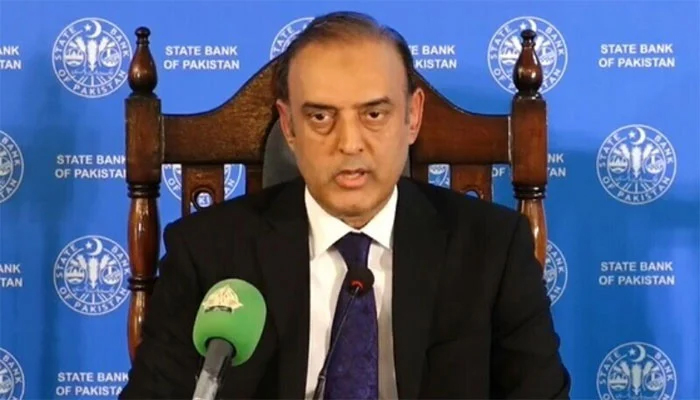
Karachi: Jameel Ahmad, Governor of the State Bank of Pakistan, has expressed optimism that Pakistan’s sovereign credit rating is expected to improve, citing stronger economic fundamentals and enhanced external sector stability.
Speaking at a media briefing in Karachi, Ahmad said the country’s economic recovery is gaining momentum and that economic growth for the previous fiscal year remained in line with the central bank’s projections. He added that the growth trend is expected to continue in the new fiscal year.


The SBP governor said inflation stood at 11.8 percent in June, broadly matching expectations, although tensions in the Middle East pushed price pressures slightly higher than anticipated.
Highlighting improvements in Pakistan’s external accounts, Ahmad noted that the country recorded a current account surplus during the first 11 months of fiscal year 2025–26. He said the full-year current account balance is expected to remain between zero and one percent of GDP.
He further stated that foreign exchange reserves increased by $5.5 billion to reach $18.4 billion by the end of the fiscal year, while external liabilities were reduced by $5 billion. These developments, he said, were made possible through the combined efforts of the government, law enforcement agencies, and the business community.
Ahmad said Pakistan’s external debt has remained broadly stable over the past four years, unlike the period between 2015 and 2022, when it increased by around $6 billion annually. He added that short-term commercial borrowing has been replaced with longer-term multilateral financing, improving the country’s debt repayment profile and lowering borrowing costs. He also said future Eurobond issuances are expected to be made on more favorable terms.
The governor emphasized that exports and workers’ remittances remain the country’s two key sources of foreign exchange. He projected remittance inflows to exceed $41.5 billion in fiscal year 2025–26 and said they are expected to grow further in the coming fiscal year despite regional geopolitical challenges.
To encourage remittance inflows, Ahmad announced that banks will bear all transaction costs on transfers exceeding $200. He also revealed that the existing Sohni Dharti scheme will be replaced with a new incentive program featuring rewards aimed at sustaining remittance growth.
He described overseas Pakistanis’ remittances as the country’s economic lifeline, adding that they will continue to play a vital role until exports increase substantially.