Khyber Pakhtunkhwa Presents Rs 2,122 Billion Budget, Proposes 7% Salary and Pension Increase

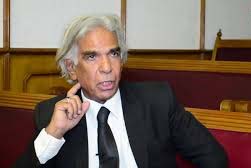
PESHAWAR: Chief Minister Muhammad Sohail Afridi has presented the Khyber Pakhtunkhwa budget for the fiscal year 2026–27, with a total outlay of Rs 2,122 billion and an estimated deficit of Rs 48 billion.
According to the chief minister, total expenditures have been projected at Rs 2,170 billion, while revenue is estimated at Rs 2,122 billion.

The budget includes Rs 524 billion allocated for the Annual Development Programme (ADP). The provincial government stated that 7,952 new posts were created during the current fiscal year, while 1,100 schools were converted to solar energy systems. Additionally, financial assistance was provided to students in merged districts at Rs 9,000 per student.
The chief minister said that Rs 4.29 billion was released for people affected by floods and heavy rains. In the new budget, Rs 52.8 billion has been allocated for local governments, while Rs 29 billion has been earmarked for the merged tribal districts. A further Rs 52 billion has been proposed under the Accelerated Implementation Programme (AIP) for these districts.
External assistance and loans have been allocated Rs 150 billion, while Rs 518 million has been proposed under the federal PSDP. Recurring expenditures are estimated at Rs 1,645 billion.
The provincial government has also proposed a 7% increase in salaries and pensions for government employees, along with an increase in the minimum monthly wage from Rs 40,000 to Rs 45,000.
For law and order, Rs 191 billion has been proposed, while Rs 200 million has been allocated for the good governance roadmap. Other key allocations include Rs 15 billion for the Ehsaas Mustahkam Programme, Rs 50 billion for the Sehat Card initiative, Rs 80 billion for MTI hospitals, and Rs 36 billion for rehabilitation programs.
Transport and development projects include Rs 7.5 billion for the BRT system and Rs 4 billion for the Khushal Hazara programme. The budget also includes Rs 2.5 billion for electric bikes and rickshaw schemes.
For social welfare, Rs 2 billion has been allocated for interest-free loans for overseas employment seekers, Rs 2 billion for the Ehsaas Kisan Programme, and Rs 51 million for minority empowerment initiatives.
Sector-wise allocations include Rs 468 billion for education, Rs 334 billion for health, Rs 90 billion for local government, Rs 29 billion for interior, Rs 14 billion for transport, Rs 29 billion for agriculture, Rs 42 billion for energy, and Rs 28 billion for Zakat.