The Link Between Obesity and Mental Health: A Growing Concern
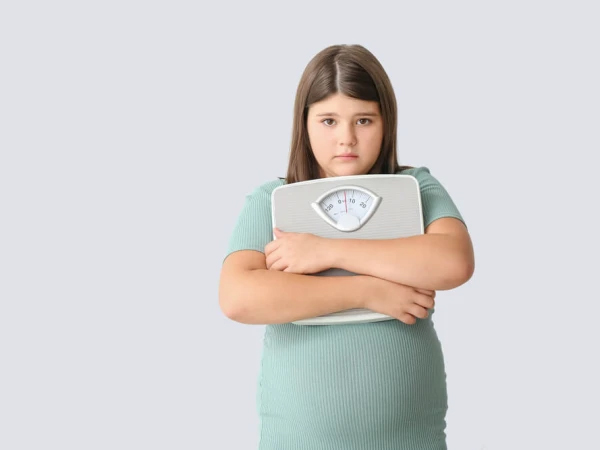
Islamabad: The relationship between obesity and mental health is complex and deeply interconnected. Recent studies have shown that obesity not only affects physical well-being but also has a significant impact on psychological health.
Experts note that there is a strong connection between obesity and depression. Excessive weight can heighten symptoms of depression and anxiety, particularly when individuals feel dissatisfied with their physical appearance or face social pressure related to body image. In many cases, emotional stress, anger, or anxiety lead people to overeat, further increasing their weight and creating a negative cycle.


Obesity can also lower self-esteem, as some individuals perceive themselves as inferior because of their body size. In societies where obesity is often stigmatized, overweight individuals may face ridicule or discrimination, leading to social isolation, sadness, and anxiety.
Moreover, increased body fat can raise levels of stress hormones such as cortisol, which negatively affect brain chemistry, reducing positive emotions and overall mental well-being. Obesity is also associated with sleep disturbances, such as insomnia or poor-quality sleep, which further exacerbate depression and anxiety.
Long-term obesity significantly increases the risk of developing mental health disorders, including chronic stress, depression, and psychological distress. Health experts emphasize that addressing obesity requires not only physical but also emotional and psychological support to break this harmful cycle.