Ceasefire Marks Pakistan’s Strategic Victory After Strong Military Response to Indian Aggression
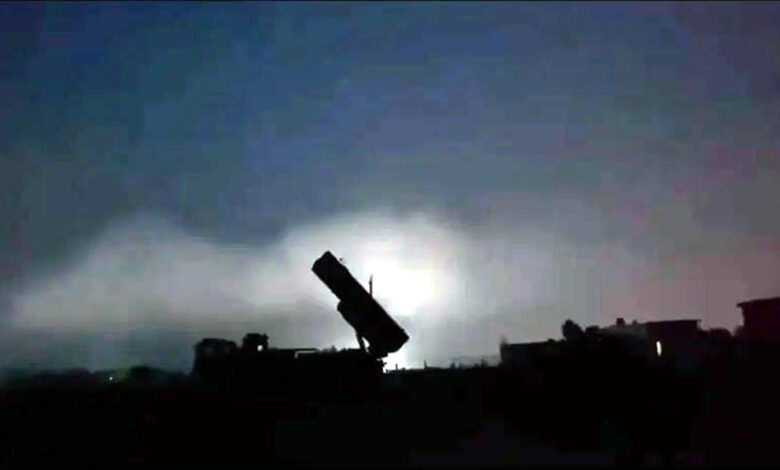
Following days of heightened military tensions between India and Pakistan, U.S. President Donald Trump announced this evening that both nations have agreed to an immediate ceasefire. Pakistan’s Deputy Prime Minister and Foreign Minister Ishaq Dar confirmed that hostilities officially ended on Saturday, May 10 at 4:30 PM.**
The agreement comes after India’s unprovoked aggression and Pakistan’s powerful retaliatory strikes under ‘Operation Bunyān Marsūs’. Analysts and retired military officials say this ceasefire is not just a truce—it’s a testament to Pakistan’s military strength, strategic planning, and national unity.


### **Ceasefire: A Diplomatic Win or a Military Victory?**
In conversations with defense analysts, there was consensus: **this ceasefire is a clear win for Pakistan**.
**Air Commodore (R) Khalid Chishti** stated,
*“India had no intention of agreeing to a ceasefire until last night. But Pakistan’s swift and decisive military response—especially the destruction of India’s S-400 missile system—forced New Delhi to reconsider. Pakistan didn’t start this conflict, but we ended it on our terms.”*
Chishti emphasized that Pakistan downed five major Indian aircraft and inflicted far greater financial and strategic damage on India.
*“We declared a ceasefire after dominating the battlefield. That alone is a sign of victory,”* he added.
### **A Nation’s United Front**
**Rear Admiral (R) Faisal Shah** called the ceasefire not just a military triumph but a **national success**.
*“Our political leadership, military forces, diplomats, media, and civil society all stood united. This was a collective response. Pakistan proved it can rise to any challenge when tested.”*
He added three key messages were delivered to India:
1. **No tolerance for interference or terrorism** within Pakistan.
2. **India’s manufactured narratives and false flag operations will no longer go unanswered.**
3. **Pakistan is not a weak state; any future aggression will be met with even stronger retaliation.**
Shah warned, *“If India still hasn’t learned its lesson, it’s welcome to try again—but the cost will be even higher next time.”*
### **Global Perception Has Shifted**
Senior journalist and political analyst **Ansar Abbasi** remarked that this conflict has reshaped international perceptions of power in South Asia.
*“The world often viewed Pakistan as the weaker side, but after last night’s operations, the reality is clear: Pakistan’s military and especially its air force are significantly more capable than many assumed. The world has witnessed this first-hand.”*
Abbasi further stated that the ceasefire opens the door for **diplomatic engagement** between India and Pakistan—something India previously avoided.