Rauf Klasra Compares Imran Khan, Zulfikar Ali Bhutto and Jawaharlal Nehru in Analysis of Political Heroism
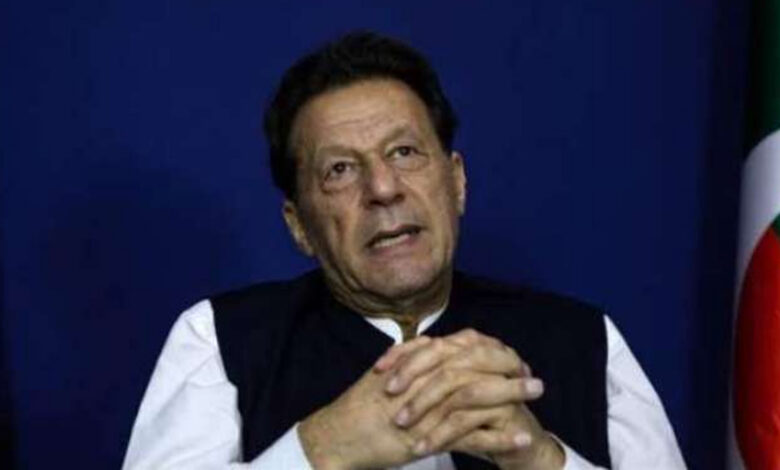
ISLAMABAD: Senior journalist and political analyst Rauf Klasra has shared his views on PTI founder Imran Khan’s recent meeting with his legal team, including Latif Khosa and Salman Safdar, discussing his political approach, the psychology of historical heroes and a comparison between former Pakistani prime minister Zulfikar Ali Bhutto and India’s first prime minister Jawaharlal Nehru.
In his column, Klasra said that some unusual statements emerging after Imran Khan’s recent meetings indicate a new, more pragmatic approach in his thinking. He noted that this apparent flexibility may disappoint some hardline PTI supporters, while others could view it as a positive development.


According to Klasra, those disappointed by the perceived change may want their political hero to remain steadfast in prison throughout his life, as people generally prefer to see their heroes display unwavering courage, even at the cost of embracing the gallows.
Discussing the psychology of heroes, Klasra wrote that societies have always needed heroic figures who provide them with a sense of security. He argued that the real tragedy is not the absence of heroes during difficult times, but the repeated need for such figures.
He observed that heroes and tragedy have historically been closely connected and identified Zulfikar Ali Bhutto and Imran Khan as two major figures in Pakistan’s political history whose circumstances have been marked by tragedy.
Klasra further wrote that becoming a popular political hero requires extraordinary public appeal and a charismatic personality capable of inspiring deep devotion. Referring to Bhutto’s era, he mentioned incidents of self-immolation by his supporters. He also cited Imran Khan’s influence, pointing out that even traditional political figures such as Shah Mahmood Qureshi, who comes from an established political and elite background, have remained imprisoned for years because of their party affiliation.
He added that overwhelming public admiration can sometimes undermine a leader’s humility and create arrogance, while flatterers and court-like entourages may convince political figures that they are extraordinary individuals.
Comparing two prominent political figures of the subcontinent, Klasra discussed Jawaharlal Nehru and Zulfikar Ali Bhutto. He noted that Nehru belonged to a wealthy family and served as India’s prime minister for nearly 16 years, yet his speeches, writings and interviews reflected humility and wisdom rather than arrogance.
In contrast, Klasra observed that Bhutto, despite having an extensive personal library and a strong reading background, was associated with a particular form of political pride.
He also commented that Imran Khan does not belong to the same category in terms of intellectual and literary reading, but argued that his charismatic personality has played a major role in his widespread public appeal.
Make the headline more conciseShorten the opening paragraph


