Imran Khan’s Jail Meetings May Be Linked to 28th Amendment, Creation of New Provinces: Khawaja Saad Rafique
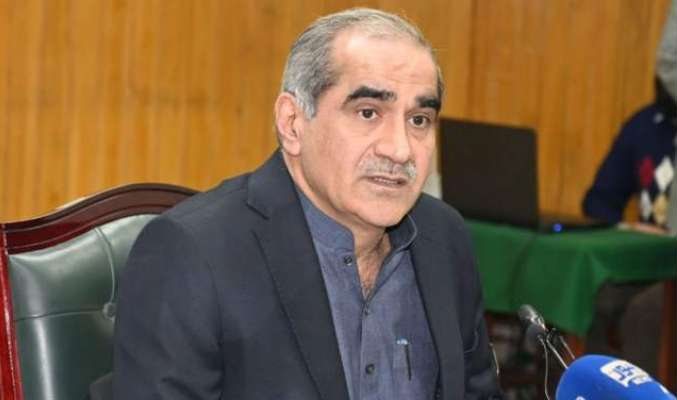
LAHORE: Senior Pakistan Muslim League-Nawaz (PML-N) leader and former federal minister Khawaja Saad Rafique has suggested that meetings with Pakistan Tehreek-e-Insaf (PTI) founder Imran Khan in jail may be linked to discussions on the proposed 28th Constitutional Amendment, the creation of smaller provinces and the possibility of imposing governor’s rule in Khyber Pakhtunkhwa.
In a statement posted on social media platform X, Rafique described the meetings between Imran Khan, his incarcerated wife Bushra Bibi and his lawyers as a welcome development. He said Imran Khan’s solitary confinement should end and that all stakeholders should work towards creating a conducive environment for peaceful politics for the PTI, if he so wishes.

Clarifying that he had no confirmed information on the matter, the former minister said he believed the recent jail meetings could be connected to discussions on the proposed 28th Constitutional Amendment, the formation of smaller provinces and governor’s rule in Khyber Pakhtunkhwa.
He speculated that after the Pakistan Peoples Party (PPP) refused to accept the proposed division of Sindh, a possible proposal might have been presented to Imran Khan to secure the two-thirds parliamentary majority required for constitutional amendments. Under such an arrangement, he suggested, the establishment could offer political concessions to the PTI in return for its support.
Rafique also suggested that another possible proposal could involve ending governor’s rule in Khyber Pakhtunkhwa in exchange for the PTI’s full cooperation with the federal government on the serious issue of terrorism and an assurance that it would not launch further marches or attacks on Islamabad.
آواز دروں —•—
جیل میں جناب عمران خان کی انکی مقید اھلیہ اور انکے وکلأ کی ملاقاتیں اچھی بات ھیں ، نہ صرف انکی قید ِ تنہائ ختم ھونی چاھئیے بلکہ اگر وہ چاھیں تو سٹیک ھولڈرز کو ماضی کی تلخیوں سے آگے بڑھ کر انکی جماعت کیلئے بھی پر امن سیاست کا ماحول پیدا کرنا چاھئیے
ھمارے پاس کوئ خبر تو نہیں ھے لیکن میرے اندازے کے مطابق ان ملاقاتوں کا تعلق مجوزہ اٹھائیسویں ترمیم ،چھوٹے صوبوں کی تشکیل اور خیبر پختونخواہ میں گورنر راج کے ساتھ جُڑا ھے ،
ھو سکتا ھے کہ سندھ کی تقسیم پر پیپلز پارٹی کے نہ ماننے کے بعد اب پارلیمنٹ میں دو تہائ اکثریت کے حصول کیلئے یہ تجویز جناب عمران خان کے سامنے رکھی جا رھی ھو کہ اگر وہ تعاون کریں تو انکی حمایت کے بدلے مقتدرہ پی ٹی آئ کیلئے آسانیاں مہیا کر سکتی ھےیہ بھی ممکن ھے کہ دھشت گردی کے معاملہ پر وفاق سے تعاون کرنے اور آئیندہ اسلام آباد پر دھاوے نہ بولنے کی گارنٹی کے بدلے گورنر راج کے خاتمے کی تجویز بھی سامنے رکھی گىئ ھو ۔۔
دھشت گردی کے عفریت کے خاتمے کیلئے وفاق اور
خیبر پختونخواہ حکومت کا اکٹھے ھونا نہایت ضروری امر ھے ، اسکے لئے بھرپور کوشش کی جانی چاھئیےچھوٹے صوبوں کی تشکیل خاصا حساس معاملہ ھے ، ملک کے مختلف حصوں میں اسکا مطالبہ ایک عرصہ سے موجود ھے اور حقیقتاً اسکی ضرورت بھی محسوس کی جاتی ھے
لیکن پیپلز پارٹی خصوصاً اھل ِ سندھ کو الگ تھلگ کر کے یا جیل میں مقید سیاسی قیادت کو تعاون کے بدلے رعائیتیں دینے کی ڈیل کے ذریعے چھوٹے صوبوں کی تشکیل بہرحال پیچیدگیاں مزید بڑھا سکتی ھے اور اس کار ِ خیر کی روح کو نقصان پہنچا سکتی ھے
زیادہ مناسب ھو گا کہ چھوٹے صوبوں کی تشکیل کیلئے تمام نمائیندہ سیاسی جماعتوں کو بلا تفریق و پارلیمانی حجم آزادانہ ماحول میں مل بیٹھ کر لائحہ عمل مرتب کرنے کی سہولت دی جاۓ ۔۔
سازگار ماحول پیدا نہ گیا تو مستقبل میں آنیوالی کوئ پارلیمنٹ موجودہ ترامیم کا خاتمہ کر سکتی ھے !!
پاکستان کو اگر واقعتاً آگے بڑھانا مقصود ھے تو سیاسی قوتوں ، اسٹیبلشمنٹ اور عدلیہ کو بغیر کسی دباؤ آزادانہ ماحول میں مستقبل کے پاکستان کے خدوخال تشکیل دینا ھونگے
پراگریسو ،مستحکم ،جمہوری ،خوشحال ، ناقابل تسخیر اور متحد پاکستان کی تشکیل کرنا ھے تو سب کو اپنی آئینی حدود میں رھنا اور ایک دوسرے کے حقوق کو تسلیم کرنا ھو گا
بہر حال ایک #نیا_میثاقِ_پاکستان وقت کی اشد ضرورت ھے ۔۔!
— Khawaja Saad Rafique (@KhSaad_Rafique) November 12, 2026
He stressed that the federal government and the Khyber Pakhtunkhwa government must work together and remain on the same page to tackle the menace of terrorism, adding that every possible effort should be made to achieve this objective.
Describing the creation of smaller provinces as a highly sensitive issue, Rafique said demands for new provinces had existed in different parts of the country for a long time and that the need for administrative restructuring was also being felt.
However, he cautioned that creating smaller provinces by isolating the PPP, particularly the people of Sindh, or through a political deal offering concessions to incarcerated political leaders in exchange for cooperation could further complicate the matter and undermine its fundamental purpose.
He proposed that all representative political parties, regardless of their parliamentary strength, should be given an opportunity to sit together in a free and impartial environment and develop a consensus-based roadmap for the creation of smaller provinces.
Otherwise, he warned, any future parliament could repeal the constitutional amendments introduced without broader political consensus.
Rafique said that if Pakistan genuinely wanted to move towards progress, political forces, the establishment and the judiciary must work in an atmosphere free from pressure to determine the country’s future direction.
He emphasised that building a progressive, stable, democratic, prosperous and united Pakistan required all institutions and stakeholders to remain within their constitutional limits and respect one another’s rights.
He concluded that a new Charter of Pakistan had become an urgent need of the time.