Had We Not Staged Protests, Government Would Have Raised Petrol Price to Rs500 per Litre: Hafiz Naeem
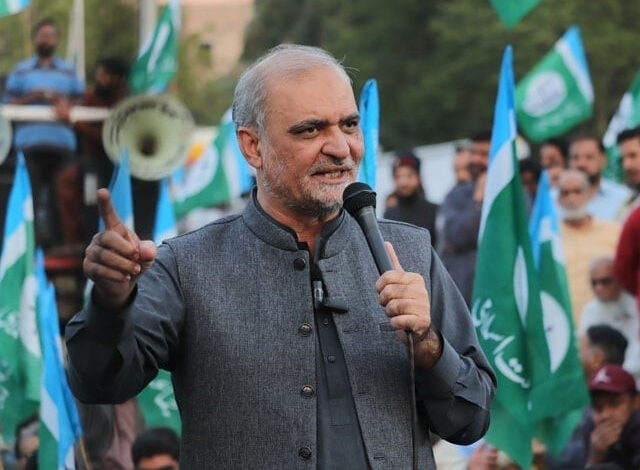
LAHORE: Jamaat-e-Islami Emir Hafiz Naeemur Rehman has claimed that the government’s petrol price would have reached Rs500 per litre had his party not launched protests and sustained public pressure against government policies.
Addressing a press conference at Mansoora in Lahore, Hafiz Naeem said the government’s decision to provide some relief in petroleum prices was the result of Jamaat-e-Islami’s sustained campaign and organised public protests.

He said the people, already struggling under the burden of inflation, had received whatever limited relief was available because of his party’s movement and demonstrations on the streets. Had Jamaat-e-Islami not resisted government policies, he added, the rulers would not have hesitated to impose another petrol bomb on the public and push prices to record levels.
The JI chief called on the government to impose substantial taxes on large vehicles owned by privileged sections of society. “Those who keep elephants should also have the capacity to bear their expenses,” he remarked.
He said government institutions and influential political leaders used large fleets of vehicles and enjoyed extensive security protocols. The government should expand the scope of its petroleum relief package and specifically include public transport so that ordinary citizens could also benefit.
Hafiz Naeem also expressed serious concern over the severe gas crisis across the country and the shortage of liquefied petroleum gas (LPG). He claimed that LPG was not available anywhere at officially notified rates and questioned which authority was responsible for ensuring compliance with the prescribed prices.
He said around 70 per cent of the LPG consumed in Pakistan came from Iran. He questioned why the country’s vast indigenous gas reserves were not being adequately explored and utilised to provide relief to people facing severe gas shortages and prolonged load-shedding.
Criticising what he described as powerful mafias controlling the national economy, Hafiz Naeem said influential cartels had emerged in the oil refining, sugar, gas, flour and independent power producer (IPP) sectors.
He alleged that there was little distinction between the government and opposition when it came to these powerful groups, claiming that influential figures from both sides were jointly exploiting the public economically.
He maintained that reducing the excessive profits of oil refineries could create room for further significant reductions in petroleum prices, providing much-needed relief to consumers.