World Stroke Day 2026: Experts Urge Early Recognition, Prevention and Immediate Treatment
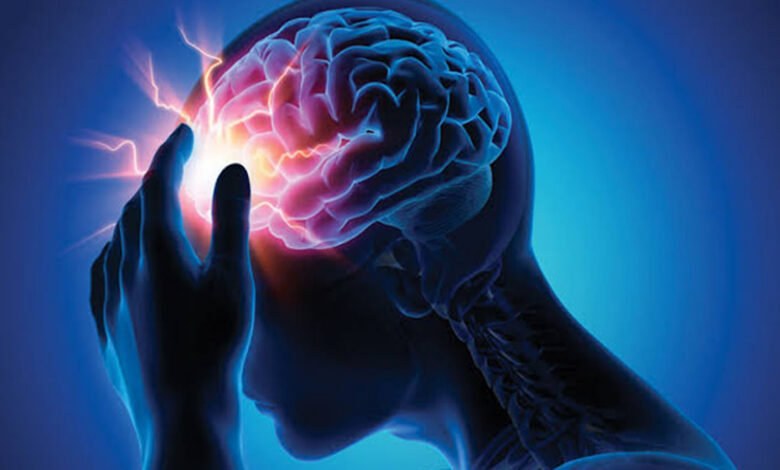
ISLAMABAD:World Stroke Day is observed globally on October 29 to raise awareness about stroke, also known as a “brain attack,” a potentially life-threatening medical emergency that can cause death or permanent disability if treatment is delayed.
Health experts emphasise that recognising the early warning signs and getting the patient to a hospital immediately can save lives and reduce the risk of long-term disability. Every minute matters during a stroke, as millions of brain cells can be lost when the brain is deprived of oxygen.


## What Is a Stroke?
A stroke occurs when the blood supply to part of the brain is interrupted or a blood vessel in the brain ruptures.
There are two main types of stroke. An ischaemic stroke occurs when a blood clot blocks an artery supplying blood to the brain. A haemorrhagic stroke occurs when a blood vessel in the brain bursts and causes bleeding.
In both cases, brain cells are deprived of oxygen and begin to die rapidly, making immediate medical treatment essential.
## Global Stroke Burden
According to the World Stroke Organization (WSO), more than 10 million new stroke cases occur worldwide every year.
Around 87 per cent of stroke-related deaths occur in low- and middle-income countries, making the disease a major public health challenge for developing nations.
Stroke also imposes a substantial financial burden on patients, families and healthcare systems. Its estimated annual global cost exceeds $890 billion, equivalent to approximately 0.66 per cent of global gross domestic product (GDP).
Projections by the WSO and the Lancet Neurology Commission indicate that annual stroke deaths could rise from approximately 6.6 million in 2020 to nearly 10 million by 2050. Global estimates also suggest that one in four adults may experience a stroke during their lifetime.
## Stroke Situation in Pakistan
Reliable nationwide statistics on stroke remain limited in Pakistan, partly because weaknesses in the healthcare system make it difficult to determine the actual prevalence of the disease. However, available studies highlight the seriousness of the problem.
A survey conducted in a low-income settlement in Karachi found that 19.1 per cent of 545 participants had previously experienced a stroke, while 9.7 per cent had experienced a transient ischaemic attack (TIA), commonly known as a mini-stroke. These findings relate to a specific urban population and should not be interpreted as national prevalence figures.
A TIA causes temporary stroke-like symptoms, such as facial drooping, arm weakness or difficulty speaking, which may disappear within a short period. Despite the temporary nature of these symptoms, a TIA requires urgent medical assessment because it can signal an increased risk of a subsequent stroke.
The Karachi study also found higher rates among women, older adults, people with poorly controlled diabetes and users of various tobacco products.
Research at Lahore General Hospital found that more than 1,500 out of approximately 150,000 patients presenting to its emergency department had suffered a stroke, representing around 1.03 per cent of the patients studied.
Most affected patients were aged between 60 and 69. High blood pressure, diabetes and cardiovascular diseases were among the prominent associated risk factors.
Pakistan already faces a substantial burden of hypertension, diabetes, obesity and tobacco use, all of which are important contributors to stroke risk.
## Major Risk Factors
Research has identified several modifiable factors that collectively account for approximately 90 per cent of stroke risk in some major international studies. These include high blood pressure, physical inactivity, unhealthy cholesterol levels, poor diet, obesity, psychological stress, smoking, heart disease, alcohol consumption and diabetes.
High blood pressure is considered one of the most important modifiable risk factors.
### High Blood Pressure: A Silent Threat
Hypertension often produces no obvious symptoms, causing many people to overlook it. Persistently elevated blood pressure can damage and weaken blood vessels, increasing the risk of a clot or a ruptured artery.
A blood pressure reading around 120/80 mmHg is generally considered optimal for many adults, although individual treatment targets may vary.
People with consistently high blood pressure should seek medical advice, monitor their condition regularly and follow prescribed treatment. Medication should never be stopped without consulting a healthcare professional.
### Tobacco Use
Cigarettes, chewing tobacco, paan, gutka, mawa, naswar and vaping can all pose health risks.
Tobacco smoke reduces the oxygen-carrying capacity of blood, while nicotine can increase heart rate and blood pressure. Tobacco use also contributes to damage to blood vessels and increases cardiovascular risk.
The Karachi study also found an association between smokeless tobacco use and stroke.
### Healthy Diet
A balanced diet can help control blood pressure, blood sugar, weight and cholesterol.
People should consume more fresh fruits and vegetables while limiting excessive salt, sugar, fatty foods and processed products. Sugary drinks and foods containing high levels of salt and unhealthy fats should also be reduced.
### Physical Activity
A sedentary lifestyle contributes to high blood pressure, diabetes, unhealthy cholesterol levels and obesity.
The World Health Organization generally recommends at least 150 minutes of moderate-intensity physical activity per week for adults. Brisk walking is one practical way to meet this target.
Excessive screen time and prolonged sitting, particularly among younger people, can contribute to physical inactivity.
### Other Risk Factors
Advancing age, irregular heart rhythms—particularly atrial fibrillation—psychological stress, certain substance use and genetic predisposition can also increase stroke risk.
## Recognise the Warning Signs: Remember FAST
Stroke treatment is time-sensitive. Delays can lead to greater brain damage, permanent disability or death.
The FAST method can help people recognise the main warning signs:
– **F — Face:** One side of the face droops or becomes uneven.
– **A — Arms:** One arm or leg suddenly becomes weak or numb.
– **S — Speech:** Speech becomes slurred, or the person has difficulty speaking or understanding others.
– **T — Time:** Seek emergency medical assistance immediately.
Other warning signs include sudden blurred or lost vision, severe dizziness, difficulty maintaining balance and an unusually severe headache.
People should not waste time waiting for symptoms to disappear or relying on home remedies. Even if symptoms improve or disappear, emergency medical evaluation is essential, as they may indicate a TIA or stroke.
## What Can Be Done to Prevent Stroke?
At an individual level, people should have their blood pressure, blood sugar and cholesterol checked regularly, at least annually where appropriate, with more frequent monitoring based on age and medical advice.
Other important preventive measures include:
– Quitting all forms of tobacco.
– Engaging in regular physical activity.
– Maintaining a healthy weight.
– Reducing salt and sugar intake.
– Eating a balanced diet.
– Taking prescribed medication consistently.
– Managing diabetes, hypertension and heart disease under medical supervision.
At the government and community levels, awareness campaigns should be promoted through mosques, educational institutions, public offices and the media to help people recognise stroke symptoms and understand the importance of timely treatment.
## Awareness Can Save Lives
Stroke remains one of the leading causes of death and disability worldwide, but a substantial proportion of cases can be prevented by controlling risk factors and adopting healthier lifestyles.
Faith in divine will does not preclude precaution or medical treatment. Protecting health, preventing illness and seeking timely medical care are also important responsibilities.
On World Stroke Day, the key message is clear: control blood pressure, diabetes and cholesterol, avoid tobacco, maintain a healthy lifestyle and never ignore sudden neurological symptoms. **When a stroke is suspected, every second counts—seek emergency medical care immediately.**
Tighten the article for news readersClarify the Pakistan statistics and caveats