Pakistan Approves $750 Million in ADB Loans for Pension Reforms, Public-Private Partnerships
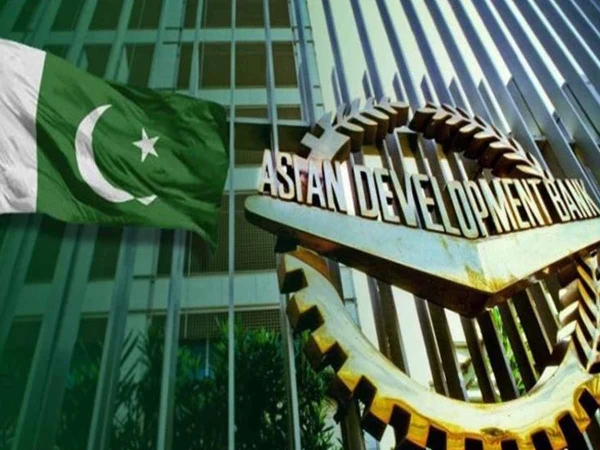
ISLAMABAD: The Government of Pakistan has approved plans to secure a total of $750 million in additional loans from the Asian Development Bank (ADB), equivalent to approximately Rs209 billion, to reform the federal pension system and promote public-private partnerships (PPPs).
The proposed loans aim to ensure the long-term financial sustainability of the federal pension system, reduce future pension liabilities and encourage private-sector participation in public development projects. However, questions have been raised over whether achieving these objectives requires additional foreign borrowing or stronger political commitment and effective policy measures.


According to official sources, the Concept Clearance Committee, headed by Deputy Chairman of the Planning Commission Ahsan Iqbal, has recently approved both loan proposals.
Following the formalisation of the committee meeting’s proceedings, the government will move forward with finalising the terms and other procedural arrangements with the ADB.
Under the proposed arrangements, Pakistan will seek $500 million, equivalent to approximately Rs139 billion, for pension reforms and another $250 million, or around Rs70 billion, for the public-private partnership programme.
Documents show that the proposed pension reform loan is intended to improve the financial sustainability, governance, administrative capacity and service delivery of the federal pension system.
The programme will focus on reducing legacy pension liabilities, implementing a defined-contribution pension scheme and expanding employee participation in the new system.
However, the government has previously obtained loans in the name of pension reforms. The Planning Commission has sought details of the results and practical progress achieved under the earlier programme, while the Finance Ministry has assured the committee that the report will be provided later.
Ahsan Iqbal directed that tangible results achieved under the previous pension reform programme be linked to the objectives of the new initiative. He also expressed the hope that the financial stability generated through the reforms would create additional fiscal space for development programmes, helping accelerate economic growth and generate employment opportunities.
According to the Finance Ministry, pension expenditure and long-term financial liabilities are continuing to rise, restricting the resources available for health, education, infrastructure, climate change mitigation and social protection.
At the same time, concerns have been expressed that increasing interest payments on foreign loans could place additional pressure on the national budget and further limit resources available for social-sector development.
The Concept Clearance Committee has also approved a $250 million loan to promote public-private partnerships in Pakistan.
The programme aims to strengthen the legal and institutional framework for PPPs at the federal level while improving public investment management and fiscal governance.
According to the documents, $200 million of the proposed PPP loan will be available on comparatively expensive terms, while the remaining $50 million will be obtained at a concessional interest rate.
The government expects the two programmes to support pension system sustainability and improve the framework for private-sector participation in public infrastructure and development projects. However, the effectiveness of the initiatives will depend on implementation, measurable outcomes and the management of the additional debt burden.


