Karachi Cybercrime Agency Rescues 13-Year-Old Girl from Alleged Dangerous Online Network
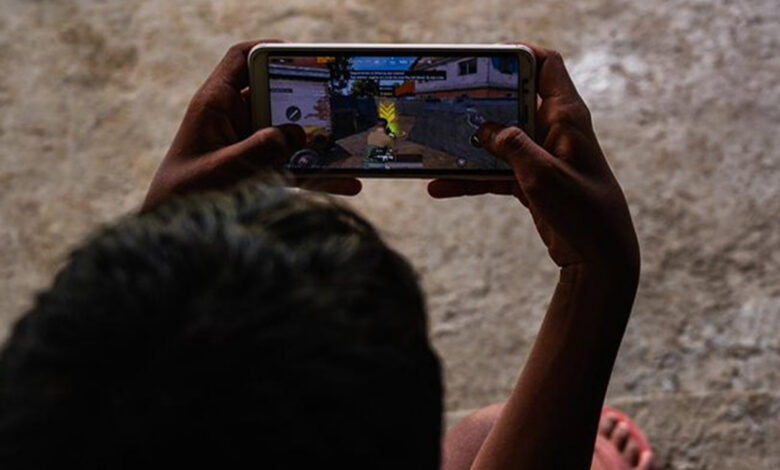
KARACHI:The National Cyber Crime Investigation Agency (NCCIA) has reportedly intervened to protect a 13-year-old girl in Karachi who was allegedly being influenced by a dangerous online network linked to the dark web, raising fresh concerns about children’s digital safety in Pakistan.
According to officials, the girl had allegedly been assigned tasks to poison and kill a cat and subsequently harm herself. The agency intervened in time to protect the child and informed her parents about the situation.


The incident has renewed concerns about how malicious individuals and online groups may exploit children’s vulnerability through social media, interactive video games and messaging applications.
## How Online Groups May Target Children
Cybersecurity experts warn that harmful online groups can approach children through seemingly ordinary conversations, shared interests, gaming communities and friendship requests. It may be difficult for young users to determine whether the person on the other side of a screen is genuinely their age or using a fake identity.
Once trust has been established, perpetrators may attempt to move conversations to private chats or other platforms, where they can pressure children into keeping secrets, participating in harmful activities or accepting dangerous challenges.
In some cases, children may be given a series of tasks designed to weaken their resistance, isolate them from family and friends, or influence their behaviour. These activities can include harming animals, committing acts of violence or engaging in self-harm.
However, not every dangerous online challenge or video game is connected to an organised criminal network. Establishing whether a particular incident involves the dark web or a coordinated group requires proper investigation and verification of digital evidence.
## Dark Web Is Not the Only Source of Online Threats
The dark web is a part of the internet that generally requires specialised software or configurations to access. While it has legitimate uses, certain areas are also exploited for illegal activities, anonymous communications and criminal networks.
Experts emphasise that children do not need to access the dark web directly to become victims of online manipulation. Harmful individuals can approach them through mainstream social media platforms, gaming services and messaging applications before attempting to move them to other online spaces.
For this reason, protecting children requires more than monitoring a particular website or application. Parents need to understand whom their children communicate with, the nature of those interactions and whether anyone is using threats, blackmail or emotional pressure to influence them.
## Warning Signs Parents Should Watch For
Details reported in the Karachi case included reduced social interaction and a tendency towards isolation. Although these behaviours can have many causes, experts say parents should pay attention when they occur alongside other concerning changes.
Potential warning signs include:
– Unusual secrecy about online conversations or activities.
– Sudden fear, anxiety or distress after using a device.
– Attempts to hide online contacts or communications.
– Messages involving threats, blackmail or pressure to complete tasks.
– Conversations about harming themselves or others.
Parents are advised to approach children calmly rather than scolding, embarrassing them or immediately imposing blanket restrictions on internet access.
If a child reveals that someone online is threatening them or pressuring them to perform dangerous acts, parents should reassure them that asking for help will not result in punishment.
## Practical Steps to Protect Children Online
Experts recommend establishing age-appropriate internet rules, taking an interest in children’s online activities and teaching them never to share personal photographs, videos, home addresses or sensitive information with strangers.
Parents should also:
– Review privacy settings on the devices and applications their children use.
– Enable age-appropriate parental controls.
– Discuss the risks of messaging strangers and using chat features in online games.
– Teach children not to open suspicious links or accept dangerous online challenges.
– Review browsing and application activity in a manner appropriate to the child’s age and circumstances.
Monitoring browsing history alone is not sufficient, as communications can take place across multiple applications and platforms.
If a child is threatened or pressured into harmful activities, parents should preserve relevant messages, usernames, account details and other available digital evidence. Potentially illegal material should not be forwarded or shared further.
Where there is an immediate risk, the child should be moved away from the suspected perpetrator and placed in a safe environment. If the child threatens self-harm or faces an immediate danger, they should not be left alone, and urgent medical or emergency assistance should be sought.
## Call for Stronger Institutional Action
Experts stress that protecting children online requires coordinated efforts from parents, government authorities, cybercrime investigators, educational institutions, internet service providers and digital platforms.
The NCCIA and other relevant agencies need to investigate such cases promptly, analyse digital evidence effectively and strengthen lawful cooperation between platforms and investigative authorities.
If evidence establishes the involvement of an organised network, investigators should work to identify its administrators, individuals contacting children and other potential victims.
Authorities should also assess whether other children may have been targeted, while protecting victims’ identities and personal information. Effective complaint mechanisms, risk assessments and access to psychological and social support are essential for affected children and their families.
Experts have further called for digital literacy and online safety awareness programmes in schools and colleges to help children recognise manipulation, respond safely to suspicious contact and seek assistance before a situation escalates.
The Karachi case highlights the importance of early intervention, open communication between parents and children, and coordinated action to address online threats against minors.


