Shehbaz Sharif Government Deserves Credit for Bringing Imran Khan and Maulana Fazlur Rehman Closer: Hamid Mir
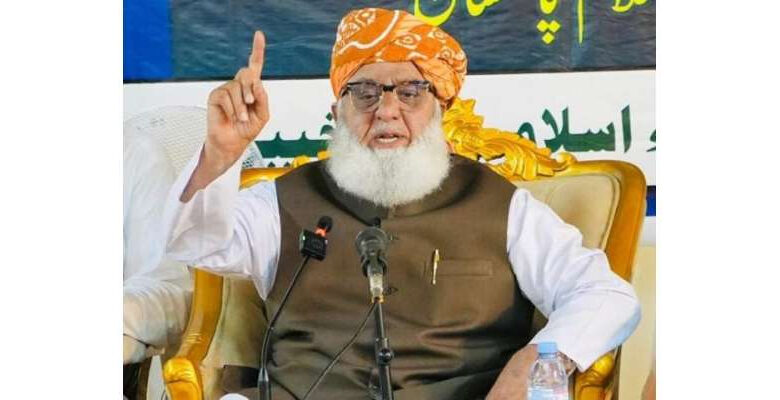
ISLAMABAD: Senior journalist and columnist Hamid Mir has said that decisions taken by Prime Minister Shehbaz Sharif’s government have contributed to bringing Pakistan Tehreek-e-Insaf (PTI) founder Imran Khan and Jamiat Ulema-e-Islam-Fazl (JUI-F) chief Maulana Fazlur Rehman closer politically.
In his latest column, Mir said he had never imagined that Fazlur Rehman would one day join those demanding Imran Khan’s release, given the deep mistrust that had historically characterised their relationship.
According to the columnist, although both leaders had previously supported negotiations with the Taliban government in Afghanistan, their political differences and lack of trust had prevented them from becoming allies.
Mir argued that decisions and actions by the current government had eventually brought the two leaders closer, creating a political situation that would have seemed unlikely in the past.
Political Opposition and Alleged Pressure on Fazlur Rehman
Mir referred to Fazlur Rehman’s recent political stance, saying the JUI-F chief had expressed concerns over Imran Khan’s imprisonment, the reported detention of female members of Khan’s family and the imposition of governor’s rule in Khyber Pakhtunkhwa.
According to the columnist, Fazlur Rehman believes that resistance against what he describes as oppression has become necessary.
Mir also wrote that fabricated videos targeting Fazlur Rehman were circulating on social media and that the JUI-F chief had reportedly been threatened with arrest.
The columnist said Fazlur Rehman had been arrested 11 times during his political career and was prepared to face arrest for a 12th time.
These claims and characterisations were presented as part of Mir’s political analysis.
PML-N May Realise Fazlur Rehman’s Importance After Leaving Power
آجکل مولانا فضل الرحمان کو گرفتاری کی دھمکیاں دی جا رہی ہیں۔ وہ اپنی سیاسی زندگی میں گیارہ مرتبہ گرفتار ہو چکے ہیں۔ بارہویں گرفتاری کیلئے بھی تیار ہیں۔ مولانا اور عمران خان خان کو قریب لانے کا کریڈٹ شہباز شریف کو جاتا ہے۔ جس طرح خان کو حکومت سے فراغت کے بعد مولانا کی اہمیت کا احساس ہوا اسی طرح مسلم لیگ ن کو بھی حکومت سے فراغت کے بعد ہی مولانا یاد آئیں گے لیکن اس دفعہ مولانا دوبارہ انکے جال میں نہ پھنسیں گے۔

https://t.co/oY0N4VijSi
— Hamid Mir حامد میر (@HamidMirPAK) October 22, 2026
Mir drew a parallel between Imran Khan’s political approach after losing power and the potential future position of the Pakistan Muslim League-Nawaz (PML-N).
He wrote that Khan had recognised Fazlur Rehman’s political significance only after his government was removed from office. Similarly, Mir suggested, PML-N leaders might appreciate the JUI-F chief’s importance only after leaving government.
However, the journalist argued that Fazlur Rehman would be unlikely to fall into the same political trap again.
Mir recalled that Khan had made several attempts to form an alliance with Fazlur Rehman after losing power but had failed to secure his support. He also claimed that a former intelligence chief had previously played a role in distancing the PML-N and Pakistan Peoples Party (PPP) from the JUI-F leader.
Fazlur Rehman’s Past Opposition to Militancy
The columnist also highlighted Fazlur Rehman’s role in efforts to build religious scholars’ consensus against terrorism.
Mir recalled that in 2010, Fazlur Rehman helped persuade prominent religious scholars from across Pakistan to endorse a joint declaration against terrorism at Jamia Ashrafia in Lahore.
Following the declaration, Fazlur Rehman faced a series of suicide attacks in Swabi, Charsadda and Quetta, Mir wrote.
Despite these threats, the journalist said, the JUI-F chief had maintained his stated position against militancy in national politics.
Mir criticised what he described as attempts by some quarters to portray Fazlur Rehman as a supporter of terrorists, arguing that such characterisations overlooked his past efforts to build consensus against terrorism.
The column concludes that changing political alliances and government decisions have reshaped relations among Pakistan’s major political figures, with Fazlur Rehman emerging as a potentially significant figure in the evolving relationship between the opposition and the ruling parties.