LPG Shortage in Pakistan: Iranian Border Closure and Hormuz Disruptions Drive Prices Higher
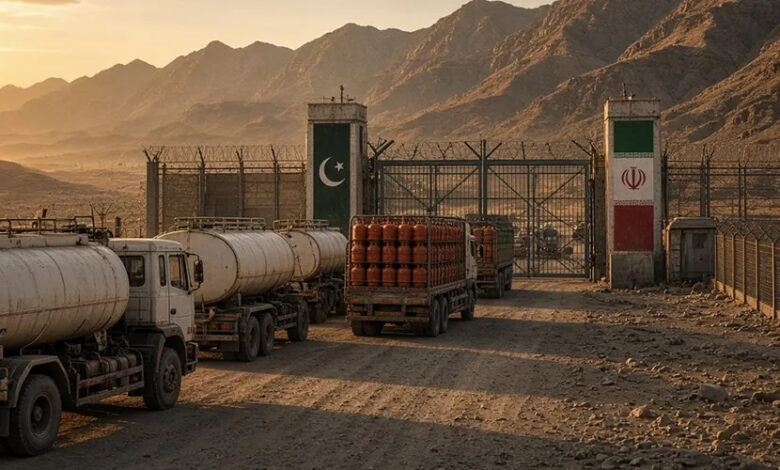
ISLAMABAD: Pakistan is facing growing pressure on liquefied petroleum gas (LPG) supplies, with prices rising sharply amid reported disruptions linked to the closure of the Iranian border and interruptions to imports through the Strait of Hormuz.
Sources within the Oil and Gas Regulatory Authority (OGRA) say Pakistan imports around 70 per cent of its LPG requirements, with approximately half of those imports reportedly coming from Iran. Disruptions to these supplies have affected the domestic market, raising concerns that the shortage could worsen if alternative supply routes are not restored.
According to the sources, Pakistan obtains LPG from Iran, Iraq and Oman. However, disruptions in the Strait of Hormuz have also affected supplies from Iraq and Oman, adding to the pressure on the country’s LPG market.
Officials fear that the shortage could intensify if imports through the Iranian border remain suspended.
LPG Cylinders Selling Above Official Prices
Pakistan’s annual average LPG consumption stands at approximately 2.4 to 2.5 million tonnes, according to OGRA sources. Supply constraints against this level of demand have increased pressure on market prices.
OGRA has set the price of an 11.8-kilogram domestic LPG cylinder at Rs3,296. However, reports indicate that cylinders are being sold at twice the official rate or even higher in some parts of the country.
OGRA enforcement teams are taking action against sellers charging prices above the prescribed rates. The measures are aimed at curbing profiteering and protecting consumers from excessive prices.
The extent of the price increases varies by location, while continued supply disruptions could put further pressure on households that rely on LPG for cooking and other domestic needs.
Pakistan Receives Second LNG Cargo from Qatar in October
Amid the difficulties affecting LPG supplies, Pakistan has received another cargo of liquefied natural gas (LNG) from Qatar.
Sources in the Ministry of Energy said the shipment was the second LNG cargo received from Qatar during October, and gas from the shipment had begun entering the country’s national gas network.
The government is seeking to meet domestic gas demand while avoiding additional purchases from the more expensive spot market wherever possible.
Qatar’s Contracted LNG Is Cheaper Than Spot Market Supplies
According to Ministry of Energy sources, LNG imported from Qatar under long-term agreements costs approximately $14 to $15 per million British thermal units (MMBtu).
By comparison, prices in the spot market have reportedly reached around $30 per MMBtu, making contracted supplies roughly half as expensive.
The price difference could help Pakistan contain import costs and reduce the financial pressure associated with securing additional gas supplies on short notice.
LNG Cargo Will Not Directly Resolve LPG Shortage
Although the arrival of another Qatari LNG cargo is an important development for Pakistan’s gas supply system, it does not guarantee an immediate resolution to the LPG shortage.
LPG and LNG are different products with distinct supply chains and uses. LNG is imported into the natural gas network, while LPG is distributed separately, including through cylinders used by households and businesses.
Consequently, restoring disrupted LPG imports, securing alternative supplies and enforcing official retail prices remain important to easing the pressure on LPG consumers.
Unless supply disruptions are addressed, Pakistan could continue to face elevated LPG prices and the risk of further shortages, particularly in areas heavily dependent on imported supplies.