Pakistan’s Politics Revolve Around Imran Khan in Adiala Jail, Says Hamid Mir
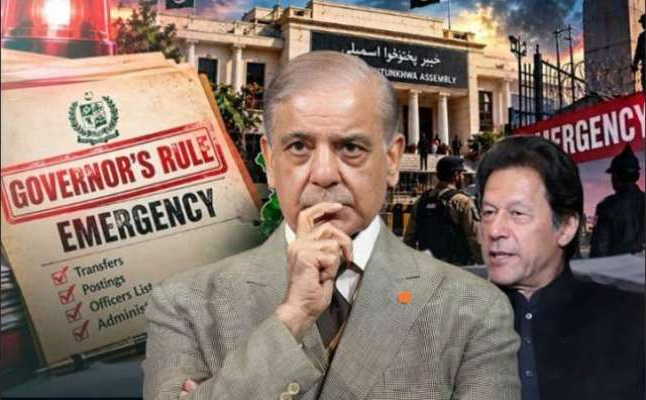
ISLAMABAD: Senior journalist and analyst Hamid Mir has said that Pakistan’s entire political landscape currently revolves around former prime minister Imran Khan, who remains imprisoned at Adiala Jail in Rawalpindi.
In his latest column, Mir examined the country’s prevailing political situation, arguing that the federal government’s alleged failure to implement the Supreme Court’s directives regarding Imran Khan’s transfer to Shifa International Hospital contributed to the escalating political crisis.
According to Mir, the situation prompted former Khyber Pakhtunkhwa chief minister Sohail Afridi to announce a long march. He wrote that the government subsequently blamed Afridi for the failure of negotiations and imposed Governor’s Rule and an emergency in the province, resulting in the removal of an elected government.
The senior journalist observed that, unlike in the past, Imran Khan had refused to reach a compromise that would allow him to leave the country. Mir argued that the government’s reluctance to facilitate his release or transfer to a hospital had further intensified political tensions.
گورنر راج اور ایمر جنسی سے جڑی تلخ تاریخ سے سبق حاصل کرنے کی بجائے ماضی کی غلطیوں کو دہرایا جا رہا ہے۔ گورنر راج کے نام پر ایک سیاسی جماعت کے خلاف آپریشن سے خیبر پختونخوا میں دہشت گردی ختم نہیں ہو گی۔ شہباز شریف کی حکومت عمران خان فوبیا کی قیدی بن چکی ہے۔ یہ قیدی حکومت پاکستان کو سول آمریت کی طرف دھکیل چکی ہے۔ اس حکومت کو عمران خان فوبیا سے رہا ہونا ہے اور بنگلہ دیش کی سابق وزیراعظم حسینہ واجد کے انجام سے سبق سیکھنا چاہئے۔
https://t.co/eYcct47Z8z
— Hamid Mir حامد میر (@HamidMirPAK) October 12, 2026
He maintained that had the Supreme Court’s directives been implemented, the situation might not have escalated to the point of a political crisis in Khyber Pakhtunkhwa, the imposition of Governor’s Rule and the announcement of a long march.
Mir further argued that using the fight against terrorism as a justification for action against political opponents would not eliminate militancy. Instead, he warned, such measures could push the country towards what he described as “civilian authoritarianism.”
According to the journalist, political operations against an opposition party under the pretext of imposing Governor’s Rule would not provide a sustainable solution to the province’s security challenges.
He also pointed out that the internal political tensions were unfolding at a time when Pakistan faced significant diplomatic and security challenges along its borders with India and Afghanistan. He referred to Pakistan’s position in the Global Terrorism Index 2026 as an indication of the seriousness of the country’s security situation.
Mir urged the government to prioritise political reconciliation over political victimisation, arguing that bringing all political forces together was essential for achieving domestic stability and strengthening Pakistan’s position on external fronts.
He also called for lessons to be drawn from the region’s history, stressing the importance of political unity in addressing the country’s security and governance challenges.