‘Kidnappers of Asma Jattak, Her Father’s Real Killers Hiding in Safe Havens,’ Says Maulana Hidayat-ur-Rehman
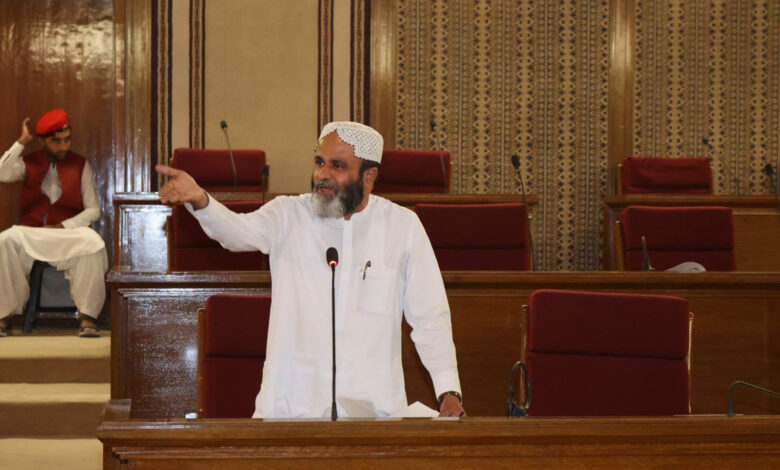
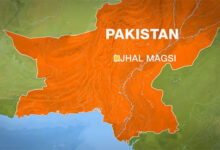
QUETTA: The Balochistan Provincial Assembly witnessed a heated debate over the alleged kidnapping of Asma Jattak and the killing of her father, with lawmakers expressing anger over the alleged failure to arrest the actual perpetrators and alleged protection being provided to influential suspects.
Speaking in the ongoing session, Jamaat-e-Islami Balochistan chief and provincial lawmaker Maulana Hidayat-ur-Rehman Baloch alleged that the real killer in the Asma Jattak case had yet to be arrested and that those responsible for her father’s murder were still living in safe havens.
“We want the real killers at all costs. Those sardars and nawabs who are involved in oppression and brutality will not be given any concession,” Hidayat-ur-Rehman said.
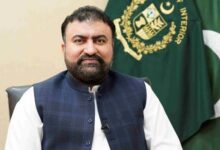
He said that if Chief Minister Balochistan did not know where the killers were, he could tell him where the authorities should conduct raids to arrest the actual perpetrators.
“I will tell the chief minister where to conduct the raid. We will not spare influential killers or their patrons,” he said.
Hidayat-ur-Rehman demanded that whoever allegedly kidnapped Asma Jattak should be brought to justice without delay. He warned that the lawmakers would not remain silent regardless of whether the alleged kidnappers or killers were influential nawabs or sardars.
“No sardar or nawab can be more oppressed than Asma Jattak and her family in Balochistan,” he said.
During the session, Provincial Minister Mir Ali Madad Jattak also expressed strong concern over the matter and acknowledged that the alleged main suspects and killers in the Asma Jattak case remained beyond the reach of the law.
He vowed to continue raising his voice against the alleged killers, perpetrators and influential elements protecting them, saying he would not succumb to any pressure.
Ali Madad Jattak further said that serious injustices were being committed against innocent young people in the province because of the traditional influence, coercion and monopoly of powerful sardars and nawabs.
He stressed that strict and impartial accountability at both the government and state levels had become essential to end such injustices.