New Draft KP Police Act Proposes Expanded Powers for Chief Minister, Major Changes to Police Structure
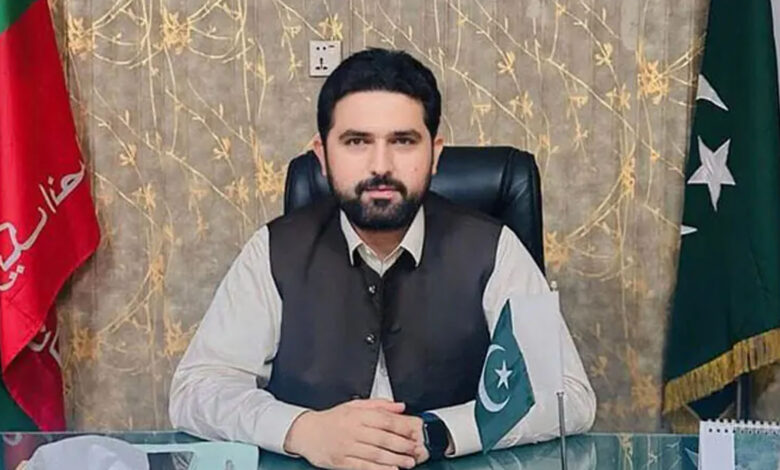
Peshawar: A new draft of the proposed Khyber Pakhtunkhwa Police Act 2026 has emerged, proposing significant changes to the police’s administrative structure, appointment of senior officers, policy-making, oversight, accountability and recruitment procedures.
The proposed legislation includes recommendations to expand the role of the provincial government and the chief minister in police affairs, while some police officials have expressed concerns that the changes could affect the institution’s administrative and professional autonomy.
Under the proposed law, a major change has been suggested in the appointment of the Inspector General of Police (IGP). According to available reports, the federal government would send a panel of three officers to the provincial government, which would then select one of them as the IGP.
Some reports suggest that if the provincial government does not agree with any of the names, it may seek a new panel. Compared with the existing system, the proposed mechanism would significantly increase the provincial government’s role in the appointment of the police chief.
The draft also proposes changes to the Police Policy Board. The chief minister could be given the chairmanship of the board, increasing the provincial government’s role in major administrative and policy matters concerning the police. Under the current system, the IGP chairs the Police Policy Board.
Significant changes have also been proposed regarding the posting and transfer of senior police officers. According to available reports, the chief minister may be given powers concerning the appointment and transfer of Regional Police Officers (RPOs), District Police Officers (DPOs) and other senior officers.
A recent report, citing police officials, said the proposed system could also bring matters concerning officers at the DSP, DIG, RPO and Additional IG levels within the provincial government’s domain.
The issue is particularly significant because the Peshawar High Court had previously struck down amendments concerning the posting and transfer of senior police officers, restoring relevant powers to the IGP.
Provincial Law Minister Aftab Alam has defended the proposed legislation, saying policing is a provincial subject and that the government does not intend to curtail police powers but seeks to improve checks and balances within the system.
Changes Proposed in Recruitment
Changes have also been proposed to the police recruitment mechanism. According to available reports, recruitment of constables may be conducted through the Educational Testing and Evaluation Agency (ETEA).
For DSP positions, the draft reportedly proposes filling vacancies through promotion, direct recruitment and competitive examinations. One report suggested a distribution of 50 percent through promotion, 30 percent through direct recruitment and 20 percent through competitive examinations. The final ratio, however, would become clear after approval of the draft.
Public Safety Commission and Complaints System
The proposed law also envisages changes to the Public Safety Commission, giving it a role in police oversight, performance monitoring and public complaints.
Changes are also being considered regarding the nomination of commission members and the procedure for appointing its chairman. In addition, the establishment of Regional Complaints Authorities has been proposed, with powers to investigate complaints against police officers.
Concerns have also emerged from within the police over the proposed legislation. According to The Express Tribune, senior police officials told a committee reviewing the draft that some proposed provisions could increase political influence in police affairs and potentially affect administrative and operational autonomy.
Concerns attributed to the KP IGP have also highlighted the possible impact of transferring administrative, financial and operational powers under the proposed framework.
Changes to Dispute Resolution Councils
The future of Dispute Resolution Councils (DRCs) and the procedure for appointing their members are also under consideration. According to one report, the draft includes a proposal to abolish the existing DRC system, while police officials have reportedly raised objections to the proposed transfer of certain powers to the Home Department.
The proposed Police Act also reportedly includes provisions to maintain a separation between police operations and investigations, strengthen investigation and crime branches, introduce certain new administrative requirements for public gatherings and establish specific quotas for the children of police martyrs.
The provincial government maintains that the proposed amendments are aimed at improving the policing system, strengthening checks and balances to prevent misuse of authority, and clarifying the constitutional and administrative role of the provincial government.
Police officials, however, have focused their concerns on the possibility that an increased role for the political administration in policy-making, senior postings, administrative powers and oversight could affect police command and professional autonomy.