Experts Warn of Severe Water Crisis in Quetta as Groundwater Levels Reach Alarming Lows
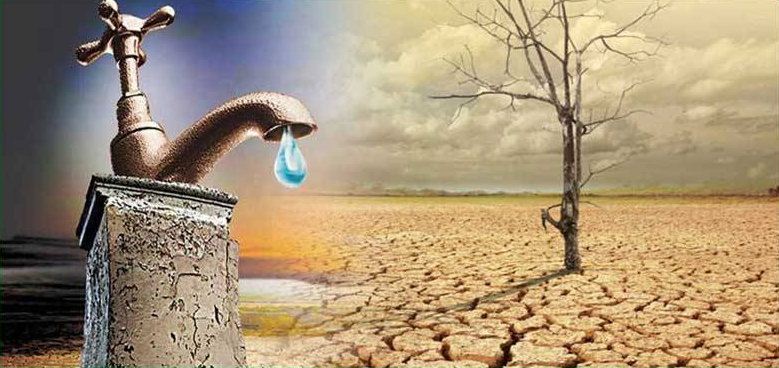
QUETTA: Water experts have warned that groundwater levels in Quetta and several parts of Balochistan have fallen to dangerously low levels, raising fears of a severe water emergency in the coming years if urgent measures are not taken.
According to experts, groundwater levels have dropped by an additional 8 to 10 feet during the current summer season alone, significantly worsening water shortages in the provincial capital. They cautioned that millions of residents could face a shortage of safe drinking water if the crisis remains unaddressed.


The alarming decline has been attributed to rapid population growth, illegal tube wells, excessive groundwater extraction, indiscriminate bore drilling, reduced rainfall, the lack of new dams and water reservoirs, inadequate rainwater harvesting projects, and the absence of effective groundwater recharge systems.
Experts noted that groundwater is being extracted at a far greater rate than it is naturally replenished, causing water tables to decline steadily each year. During the summer months, water demand rises sharply, while private bore owners and water tanker operators extract and sell thousands of gallons of water daily, further accelerating the depletion of underground reserves.
They described the additional decline of 8 to 10 feet in groundwater levels within just a few months as an extraordinary and highly dangerous development that could lead to a major environmental and humanitarian crisis in the future.
The situation has also exposed deficiencies in the public water supply system. Several government-operated tube wells in Quetta are reportedly either non-functional or operating below their full capacity, forcing residents to rely increasingly on privately operated water tankers.
Citizens complain that the water shortage has allowed tanker operators to charge exorbitant prices, making access to water increasingly difficult for low-income families. In many parts of Quetta, including Bank Colony and R Colony, residents say they go several days without receiving water and are left with no option but to purchase expensive tanker supplies.
The crisis has significantly disrupted daily life, particularly affecting women, children, and elderly citizens who bear the greatest burden of water scarcity.
Experts have recommended immediate and comprehensive measures to address the growing crisis. These include strict action against illegal bore drilling, improved management of existing water resources instead of installing additional tube wells, the introduction of rainwater harvesting projects, the establishment of groundwater recharge wells and recharge systems, large-scale tree plantation initiatives, and public awareness campaigns promoting water conservation.
They also called for the urgent construction of new dams, small water reservoirs, and rainwater storage facilities across Balochistan to ensure sustainable water availability in the future.
Experts warned that if groundwater depletion continues at its current pace, many parts of Quetta could face drought-like conditions within the next few years. They added that severe water shortages have already begun affecting horticulture in several areas of Balochistan, making traditional agricultural activities increasingly difficult.
According to one report cited by the experts, approximately 88 percent of households in Quetta now depend on water tanker services for their daily water needs.
Citizens, civil society organizations, and water experts have urged the Government of Balochistan and Chief Minister Mir Sarfraz Bugti to declare the situation an emergency and take immediate action. Their demands include a crackdown on illegal bore wells and the water tanker mafia, the restoration of dysfunctional WASA tube wells, the construction of new dams and reservoirs, improvements to groundwater recharge mechanisms, and the provision of a regular and equitable water supply to all affected areas.
They warned that without urgent intervention, Quetta could soon face one of the most serious water crises in its history.