How and Why Sajdah-e-Sahw Is Performed in Salah
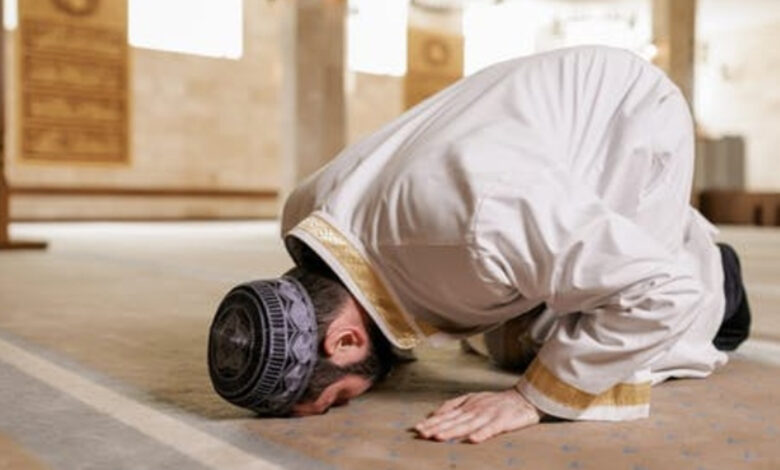
Sajdah-e-Sahw, or the prostration of forgetfulness, is performed to compensate for mistakes or oversights during **Salah**.
It is required when a person unintentionally misses a **Wajib (obligatory) act in prayer**, repeats a wajib, changes the order of actions, or makes any alteration in the obligatory parts of the prayer. Examples include reciting aloud instead of silently, or performing a ritual movement out of sequence.


**How to Perform Sajdah-e-Sahw:**
1. After completing the final sitting (**Qadah Akhirah**) and reciting **Tashahhud**, turn to the right and perform **two prostrations**.
2. After the two prostrations, recite **Tashahhud, Durood Sharif, and supplications** again.
3. Finally, turn to the left and conclude the prayer with **Salam**.
These two prostrations are specifically called **Sajdah-e-Sahw** and are mandatory to correct mistakes committed during the prayer.
**Reference:** *(Hindiyah 1/125–126)*