Conditions Emerging for Formation of a New Political League in Pakistan: Sohail Warraich
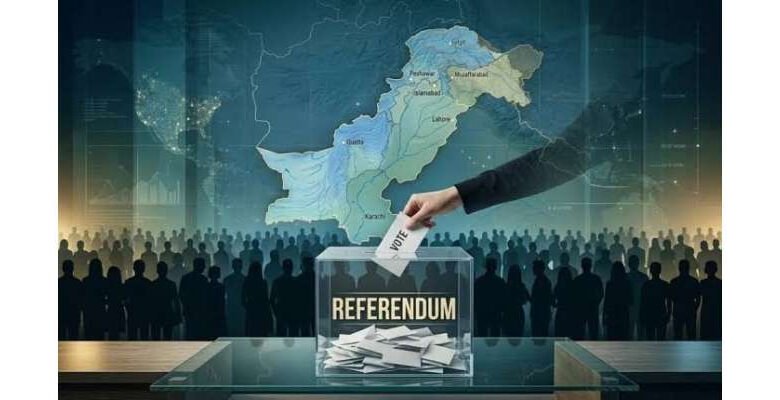
LAHORE: Senior journalist and political analyst Sohail Warraich has claimed that circumstances are emerging for the formation of a new political league in Pakistan, with a proposed agenda centred on a referendum, the creation of new provinces and a reset of the existing political system.
In his newspaper column, Warraich said the proposed political force would be different from the Pakistan Muslim League-Nawaz (PML-N), Pakistan Peoples Party (PPP) and Pakistan Tehreek-e-Insaf (PTI), potentially creating new political alignments and challenges for the ruling coalition.
According to the senior columnist, a faction supporting the idea of a new political league has already taken shape, and the names of some of its supporters are beginning to emerge. Although the group is currently part of the coalition government, opposing statements from within the cabinet and differences over a referendum and new provinces indicate that it may need a separate political platform to establish its identity.
Warraich wrote that the faction’s growing support for a referendum, new provinces and a reset of the system was widening its differences with the PML-N and PPP. He said the PPP had openly expressed its disagreement, while the possibility of internal divisions within the party in the future could not be ruled out.
ریفرنڈم، نئے صوبوں اور نظام کے ری سیٹ کا یہ پرجوش حامی دھڑا روزبروز مضبوط توہورہا ہے مگر ساتھ ہی ساتھ اسکے اپنے اتحادیوں نون لیگ اور پیپلز پارٹی کے ساتھ فاصلے بڑھ رہے ہیں پیپلزپارٹی نے تو علانیہ اس دھڑے سے لڑے بغیر ہی اختلاف کا اعلان کردیا ہے تاہم اس امکان کو رد نہیں کیا جا سکتا کہ وقت آنے پر اس سوچ کے حامی پیپلز پارٹی کے اندر بھی سرنگ لگا کر اپنا گروپ بناسکتے ہیں۔ مجوزہ نئی سیاسی لیگ نے نون لیگ کو سب سے زیادہ بڑی آزمائش میں ڈالا ہوا ہے نونیوں کے ذہن میں پورے پانچ سال اقتدار میں رہ کر بازارِسیاست میں پھر سے ہار ڈال کر آنے کا خیال تھا، نہ مرکز اور نہ صوبہ دونوں ہی میں سیاست کئے بغیر ترقیاتی ایجنڈے پر زور دئیے ہوئے تھے اور ان کی خفیہ حکمت عملی یہ تھی کہ چار سال ڈٹ کر ترقیاتی کام کرنے کے بعد پانچویں سال بھرپور سیاست کریں گے، کارکردگی کی وجہ سے راہ تو ہموار ہوچکی ہوگی پھرسیاست میں دبنگ انٹری آسان تر ہوجائیگی۔ مگر بقول غالبؔ، اڑنے نہ پائے تھے کہ گرفتار ہم ہوئے۔ اچانک سے نئی صف بندی شروع ہوگئی اور وقت سے بہت پہلے نون مستقبل کے بارے میں جلد ترین فیصلے کرنے پر مجبور ہو گئی ہے،نون اس کیلئےتیار نظر نہیں آتی، نئی سیاسی لیگ کے حامی سمجھتے ہیں کہ نون کے پاس سوائے ان کے ایجنڈے کی حمایت کے کوئی راستہ نہیں، ان کو خدشہ ہے کہ اگر نون نے ترقیاتی کاموں کے ذریعے قدم جما لئے تو پھر وہ ری سیٹ پر نہیں مانے گی
https://t.co/StqLuPuMHT— Suhail Warraich (@suhailswarraich) November 26, 2026
He described the emerging political league as a major challenge for the PML-N, which had planned to spend four years focusing on development projects and reserve the fifth year for political activity. However, the changing political landscape had forced the party towards earlier decisions, bringing the strategy of a referendum and new provinces to the forefront.
The columnist said supporters of the proposed reforms were currently hopeful that Prime Minister Shehbaz Sharif was on their side and aware of the plans for a referendum, new provinces and a reset of the political system. However, some members of the group reportedly had reservations.
Referring to the political dynamics within the Sharif family, Warraich said earlier predictions of a rebellion against Nawaz Sharif by his brother had proved incorrect. However, the current situation also involved the political futures of cousins Maryam Nawaz and Hamza Shehbaz.
According to the column, the emerging faction has been advised to use the Pakistan Muslim League-Quaid (PML-Q) as its political platform, potentially attracting new entrants in a manner similar to the formation of the Convention League or the PML-Q in the past. However, no final decision has been taken.
Warraich added that PML-Q chief Chaudhry Shujaat Hussain had suggested creating new administrative units instead of new provinces. However, given his illness, his sons, who hold federal and provincial ministerial positions, could potentially support the proposed system-reset agenda.
The columnist further observed that the current coalition consisted largely of established political parties, leaving limited space for new political entrants. Dependence on two major parties was also creating obstacles to implementing the proposed agenda.
He said discussions about a possible collapse of the existing system had weakened trust among coalition partners. Nevertheless, the political and governmental benefits of remaining in power had so far discouraged the allies from parting ways. An impression was emerging, however, that the agenda of the proposed new league would eventually be implemented.
Warraich also pointed out that the top leadership of all three major political parties was in their seventies, and several senior leaders could move away from active politics over the next five years.
He said Bilawal Bhutto Zardari had emerged as a future leadership figure in the PPP, while Maryam Nawaz and Hamza Shehbaz were prominent in the PML-N.
The columnist suggested that the proposed new political league could introduce younger and emerging leadership to fill the political vacuum created by strained relations between the establishment and PTI. The creation of new provinces could also pave the way for new political leadership to emerge, he added.