New Auto Policy 2026: Will Car prices fall or rise in Pakistan? Expert raises concerns
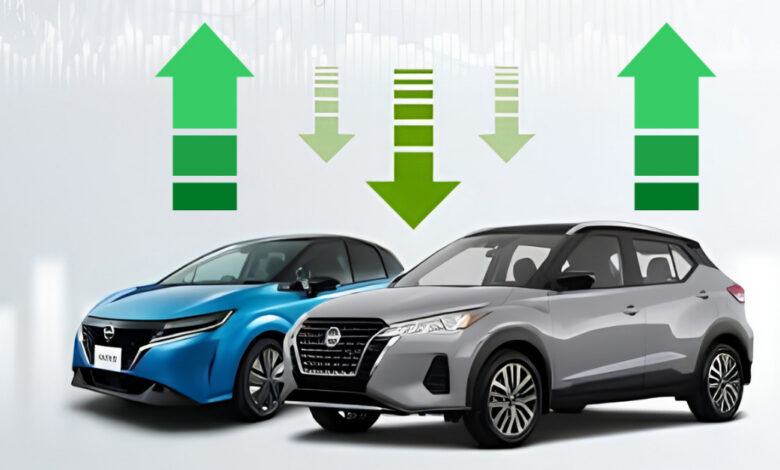
KARACHI: Pakistan’s new Auto Policy 2026 may not bring a significant reduction in vehicle prices, while changes in sales tax and other duties could make some vehicles cheaper and others more expensive, an automobile industry expert has warned.
Auto industry expert Masood Khan discussed the potential impact of the new policy on vehicle prices, local manufacturers and consumers.
Will Car Prices Decrease or Increase?
According to Masood Khan, a major reduction in vehicle prices appears unlikely under the new policy. However, tax concessions on electric, hybrid and certain small vehicles could provide partial relief to consumers.
He said the policy appeared to offer greater incentives to electric vehicles rather than ordinary consumers. He also expressed concerns that allowing used car imports could seriously affect Pakistan’s local auto parts manufacturing industry.
The expert explained that different sales tax rates had been proposed for various categories of vehicles, potentially resulting in price reductions for some models and increases for others.
Under the proposed framework, the existing one per cent sales tax on electric vehicles would remain unchanged. However, the sales tax on range extender electric vehicles would increase from one per cent to six per cent.
Meanwhile, the sales tax on plug-in hybrid and hybrid vehicles is proposed to be reduced from 18 per cent to nine per cent, potentially offering greater relief to buyers in these categories.
Masood Khan added that certain small cars could also benefit from reductions in excise duty and Capital Value Tax (CVT).
He estimated that these concessions could make a difference of approximately Rs250,000 to Rs300,000 on vehicles priced between Rs5 million and Rs6 million.
He further pointed out that the government was also considering imposing a new levy on conventional petrol-powered vehicles to compensate for the expected decline in tax revenue.
Public Transport Overlooked
Public transport to resume from tomorrow in Karachi
Public transport
Questioning the priorities of the new policy, the auto industry expert said only 6.6 per cent of households in Pakistan owned a car, while approximately 57 per cent relied on motorcycles.
He added that nearly 41 per cent of households had neither a car nor a motorcycle.
According to him, around 51 per cent of the country’s population depended on public transport, making improvements in public transportation essential before prioritising incentives for electric vehicles.
Used Car Imports Raise Concerns
Import of used vehicle in Pakistan observes major decline
Masood Khan said proposals to facilitate used vehicle imports under the new auto policy had raised concerns among local manufacturers.
He warned that large-scale imports of completely built vehicles and parts for vehicle assembly could create serious difficulties for domestic auto parts manufacturers.
He explained that if imported vehicles gained a larger share of the market or local assemblers increasingly preferred imported components, demand for locally manufactured parts could decline, threatening the survival of domestic factories.
Local Production of Electric Vehicles Essential
BYD announces limited time offer on electric Seal Sedan
Responding to a question about electric motorcycles and rickshaws as alternatives to expensive petrol, Masood Khan said importing electric vehicles through subsidies alone would not constitute a sustainable policy.
He argued that importing completely built vehicles or assembling them using imported components would not deliver substantial industrial benefits to Pakistan.
According to him, technology transfer and the creation of local employment opportunities should remain key objectives of the electric vehicle policy.
The expert also stressed the importance of policy continuity, recalling that the government had previously encouraged CNG vehicles, prompting consumers to invest in CNG conversion kits. However, CNG availability was subsequently restricted.
He cautioned that a similar situation could arise if electric vehicles were promoted today but discouraged in the future due to electricity shortages, potentially affecting consumers’ investments.
Masood Khan emphasised that Pakistan needed a long-term and consistent auto policy that protected local industries, reduced dependence on imports and encouraged domestic manufacturing of vehicles and their components.


