Thieves Steal Thousands of Rare Ants from Wildlife Reserve in England
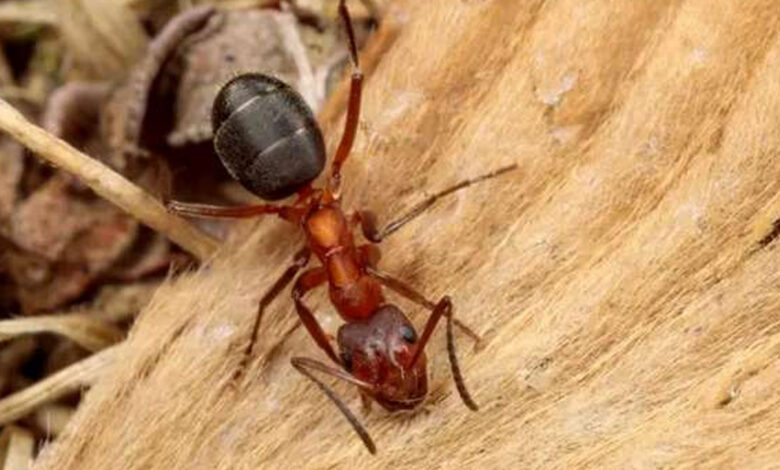
LONDON:Thieves in the United Kingdom have left wildlife experts astonished after stealing thousands of rare ants instead of jewellery, cash or other valuable items.
The unusual theft took place at a nature reserve in Devon, England, where an entire nest of rare Narrow-headed Ants was dug up and removed.


According to a British publication, Devon Wildlife Trust revealed on November 2 that a complete nest of Narrow-headed Ants had been stolen from Chudleigh Knighton Heath, a protected nature reserve.
The site is considered the last known refuge of this rare ant species in England.
Wildlife conservation experts discovered that a well-known nest had disappeared during a routine inspection in mid-October. A deep hole and clear marks of shovel digging were found at the site, suggesting that the nest had been deliberately excavated.
Experts estimate that a complete nest can contain between 1,000 and 5,000 ants, including one or more queen ants, which can live for up to 25 years.
Devon Wildlife Trust described the incident as a significant setback for the survival of the rare species, explaining that ant colonies take several years to establish and relocating an entire nest requires considerable expertise and careful planning.
Experts suspect that those responsible may have had prior knowledge of the location of the nests, as they are not easily identifiable to ordinary visitors.
### Two Possible Motives Behind the Unusual Theft
Wildlife experts have suggested two possible motives behind the incident. They believe the ants may have been stolen by an insect enthusiast seeking to add the rare species to a private collection, or by someone attempting to relocate the colony and establish it in another area.
However, the actual motive behind the theft remains unknown.
Julia Balfour, an expert at Devon Wildlife Trust, said the disappearance of an established nest represented a considerable loss for the conservation of the rare species.
She explained that ant colonies develop very slowly and that the long lifespan of queen ants means an established nest represents years of natural growth.
According to the trust, the latest survey at the protected site had recorded 142 active ant nests, making the loss of even a single colony a significant blow to conservation efforts.
Meanwhile, Laura Crosland, a representative of the insect conservation organisation Buglife, said the ants were extremely rare and the removal of any nest could place additional pressure on an already vulnerable population.
The incident has been reported to Devon and Cornwall Police, who have appealed to the public to come forward with any information that could help identify those responsible.
### A Rare Species Facing the Threat of Extinction
Narrow-headed Ants are recognised by their distinctive narrow and flattened head shape.
The species was once found across several parts of southern England, but its population has declined significantly over the past century due to agricultural changes, construction activities and the destruction of natural habitats.
The species is listed as Near Threatened on the International Union for Conservation of Nature (IUCN) Red List.
Chudleigh Knighton Heath is considered the last known habitat of the species in England, although a few colonies also exist in Scotland.
Tighten the article for news styleMake the opening more neutral