Ex-Supreme Court Judge Mansoor Ali Shah Warns Against Judicial Compromise, Urges Focus on Pakistan’s Youth
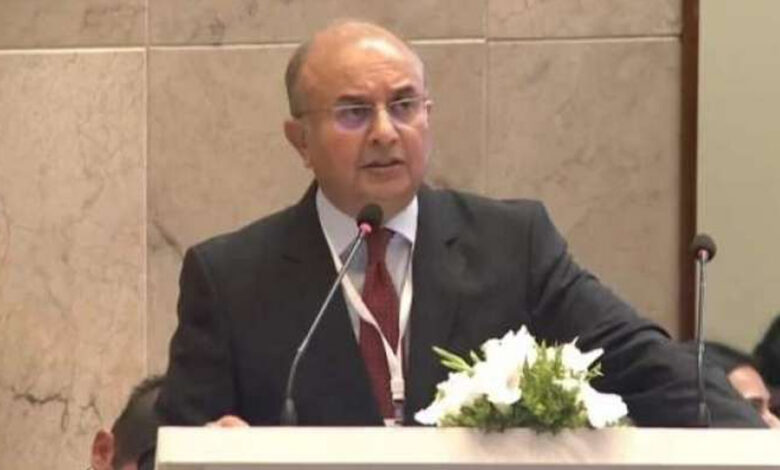
ISLAMABAD:Former senior puisne judge of the Supreme Court Justice (retd) Syed Mansoor Ali Shah has reflected on Pakistan’s judicial system, institutional compromises and the future of the country’s younger generation in an article published in *Dawn*.
In his article, titled **“A Small Republic in Every Classroom,”** Justice Mansoor Ali Shah recalled that he was 14 when martial law was imposed in Pakistan and a young man when the military ruler died. He wrote that his generation learned what he described as a “dangerous lesson” about the relationship between power and institutions. ([Dawn][1])


He argued that prolonged caution can gradually turn into accommodation, and accommodation can eventually become submission. He also described how, in his view, some individuals who had appeared fearless while practising at the bar changed their principles after reaching the bench.
According to Justice Mansoor, such changes do not necessarily happen suddenly or solely because of financial incentives. He said the privileges and authority associated with office can gradually influence behaviour, after which compromises may be presented as “realism.”
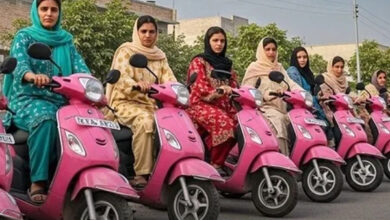
He highlighted Pakistan’s young population, noting that **two out of every three people in the country are under the age of 30**. He said the question was not whether Generation Z would change Pakistan, but whether the country and its institutions would be prepared for that demographic transformation. ([Dawn][1])
Justice Mansoor said Pakistan’s next generation should be developed through **argument, critical thinking and serious debate**, rather than simply through street protests. He argued that this process should begin in university classrooms.
He proposed that classrooms should function as small democratic spaces where students debate the ethical and constitutional questions related to their fields instead of merely memorising their curriculum.
The former judge said young people should also learn democratic practices such as contesting elections, accepting defeat and working with those who win, while protecting the right to disagree.
He argued that connecting students’ theoretical education with the realities of courts, hospitals, factories and other institutions would help develop a more capable and informed society.
Justice Mansoor concluded that the task of narrowing the gap between Pakistan’s Constitution “on paper” and the way institutions operate in practice belongs to the next generation, and that the process should begin with discussion, argument and democratic participation in classrooms. ([Dawn][1])