A rise in HIV, Obscure figures and a social stigma associated with Promiscuity.
Story: Khaliq Khan
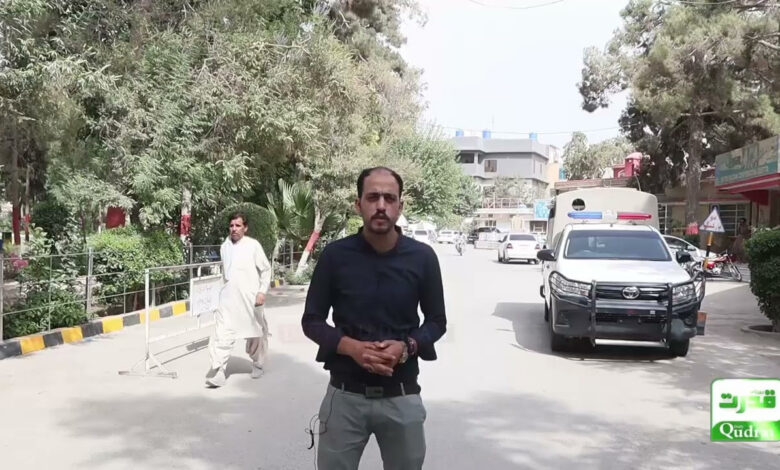
40-year-old Muhammad Yawz, father to three daughters and a vegetable vendor in the bustling streets of Quetta, suffers from a disease mostly associated with sexual promiscuity.
Two years ago, while cleaning a shared room, he lived in with his drug-addicted brother, who died later due to HIV infection. A sharp object (possibly a contaminated needle) pierced my hand. Unaware of the severity of the disease, days later, a pain in his stomach brought him to a doctor. A routine blood test delivered a verdict that changed his life forever.
Muhammad Yawz is not alone. Balochistan, Pakistan’s largest province by land area but with a small and scattered population, is recording a sharp and sustained rise in HIV cases.
According to the government’s data, there are currently around three thousand five hundred registered HIV positive patients across the province; among them are men, women, children, and members of the transgender community.
Experts believe shared needles among drug users are the fastest-growing transmission route. Muhammad Yawz experienced this reality without ever knowing the risk.
More than 40 million people across the world are suffering from HIV. Dr KD Usmani, a general physician at the AIDS Treatment Centre in Bolan Medical College and Hospital, told Daily Qudrat. To a question about “how many people are actually affected by hiv in Pakistan?” KD Usmani reflected and said that “There are estimates of it. In Pakistan, approximately three hundred and fifty thousand people are supposed to be affected by this virus. Amidst these alarming numbers, more than 80 thousand people know their status, among which only 60 thousand are on medication.
The numbers tell a deeply concerning story. Registered HIV cases climbed from two thousand eight hundred and fifty-one in 2024 to three thousand three hundred and three by December 2025, marking four hundred and fifty-two new cases within a single year in Balochistan

In 2026 alone, a further one hundred and eighty-seven new cases were registered across AIDS treatment center in Balochistan.
Turbat, Hub, Naserabad, and Loralai are the districts of Balochistan recording the highest numbers. Over the years, four hundred and fifty-two HIV-related deaths have been reported across the province.
“Rising cases of HIV in Balochistan mean our diagnostic scale regarding HIV is expanding in the province,” said Dr. Zulfiqar Baloch, Provincial coordinator at the AIDS control centre in Balochistan.
Dr. Baloch stressed the diagnostic expansion of the government’s health care system in the province, while beyond the medical crisis lies a deeper social one.
Experts say stigma surrounding HIV testing and treatment is preventing patients from seeking help until their condition gets critical.
Inadequate blood screening, lack of public awareness, and fear of social rejection are combining to fuel the spread of a disease that is entirely manageable, if caught in time.
For many patients in Balochistan, the greatest barrier to treatment is not access to medicine; it is the fear and stigma surrounding HIV, a disease too often associated with behaviours that carry social shame, whether real or assumed.
The government has established six free HIV treatment centres across Balochistan. The centres in Quetta and Turbat are among the busiest as health authorities work to contain what experts are now calling a growing public health emergency. For Muhammad Yawz, treatment has brought stability and hope. Every morning, he still pushes his cart through Quetta’s streets for his daughters for his future. He believes greater public awareness, early testing, and timely action can prevent others from facing the same fate he never saw coming.