IMF Unwilling to Allow Reduction in Petroleum Levy, Says Petroleum Minister
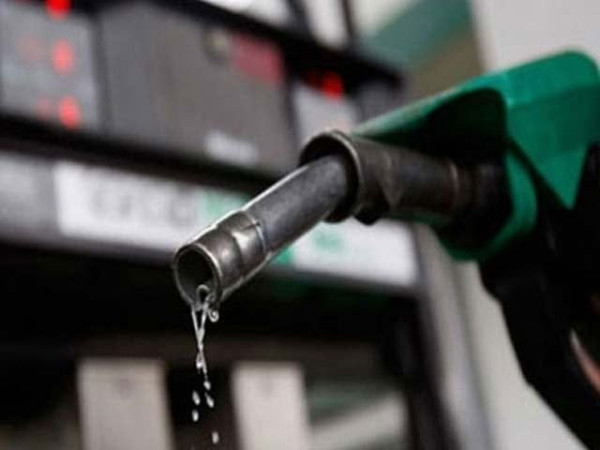
ISLAMABAD: Federal Minister for Petroleum Ali Pervaiz Malik has said that the International Monetary Fund (IMF) is unlikely to agree to any reduction in the petroleum levy unless the government identifies an alternative source of revenue.
Speaking during a meeting of the National Assembly’s Standing Committee on Petroleum, chaired by Umar Farooq, the minister stated that the petroleum levy currently imposed on petrol is lower than the levy charged during wartime periods. He added that the IMF may only consider a reduction if a substitute levy mechanism is proposed.
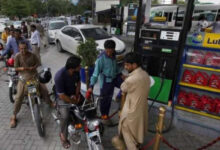

Ali Pervaiz Malik informed the committee that the government has delegated the authority to determine petroleum product prices to the Oil and Gas Regulatory Authority (OGRA). He said the pricing methodology is available on OGRA’s website and noted that the Prime Minister had directed that it also be published in Urdu to ensure greater transparency.
He explained that petrol and diesel prices are determined using a seven-day rolling average of international market prices. The final consumer price includes global market rates, government taxes, and the margins of oil marketing companies. According to the minister, when petroleum prices were revised weekly, some suppliers would reduce fuel supplies after observing price trends over three days, creating opportunities for short-term gains.
Senator Saifullah Abro criticized the daily pricing mechanism, describing it as a “slow poison” for consumers. He said the public remains uncertain about daily fuel prices, adding that the system has increased anxiety among consumers.
The Petroleum Minister also informed the committee that the process for appointing the Chairman of OGRA had been initiated on time. However, no suitable candidate was selected after the interviews, prompting the government to restart the appointment process.
During the briefing, the Acting Chairman of OGRA stated that any decrease in international oil prices would be reflected in domestic prices within seven days under the current pricing mechanism. Likewise, any increase in global prices would also be passed on within the same timeframe.
He said petrol and diesel prices are determined daily on the basis of the seven-day average international market price and disclosed that the customs duty on petrol currently stands at Rs18.11 per litre. According to OGRA, the daily pricing mechanism benefits consumers by smoothing the impact of short-term fluctuations in global oil prices and has reduced opportunities for speculative gains in the market.
Senator Saifullah Abro questioned the recent increase in petroleum prices, noting that international oil prices rose from $76 per barrel on July 11 to $82 per barrel on July 17 and asking how domestic prices had increased by Rs30 per litre. In response, the Petroleum Minister explained that domestic pricing is based on the cost of refined petroleum products rather than crude oil prices alone.
The discussion took place as the parliamentary committee reviewed the government’s fuel pricing mechanism and its implications for consumers and the petroleum sector.